The numbness problem nobody talks about
You're not broken. Your clitoris isn't permanently damaged. But if you've been using the same kind of vibrator for years, or if you've relied on high-intensity stimulation to orgasm, you might have developed what I call "sensation drift." Your clitoris still has every nerve ending it started with. It just needs a different signal to wake up.
Here's the thing about clitoral numbness: it's not usually a medical emergency, and it's wildly common after sustained high-intensity vibration. The tissue adapts. The nerves stop firing the same way. What used to feel incredible starts feeling like a dull hum. And then you either turn up the intensity (which makes it worse), or you give up and assume you're broken. Neither is true.
How traditional vibration creates numbness over time
Standard vibrators work by rapid mechanical oscillation. They buzz. Your clitoris is incredibly sensitive to this kind of stimulation because it has roughly 8,000 nerve endings concentrated in a tiny area. When you use the same frequency and pressure repeatedly, those nerves adapt. This is called sensory habituation, and it's one of the most documented phenomena in neuroscience.
Think of it like hearing background noise. The first time an air conditioner runs, you notice it. After an hour, your brain stops registering it. Your auditory nerves haven't broken. They've just adjusted to the signal. The same happens with your clitoris.
The problem gets worse when you chase the feeling by increasing intensity. Higher vibration settings create more pressure on the tissue, which can actually damage nerve endings over time and flatten the sensation further. It's a cycle. You need stronger stimulation to feel anything. That stronger stimulation makes numbness worse. You're stuck.
Why suction changes everything
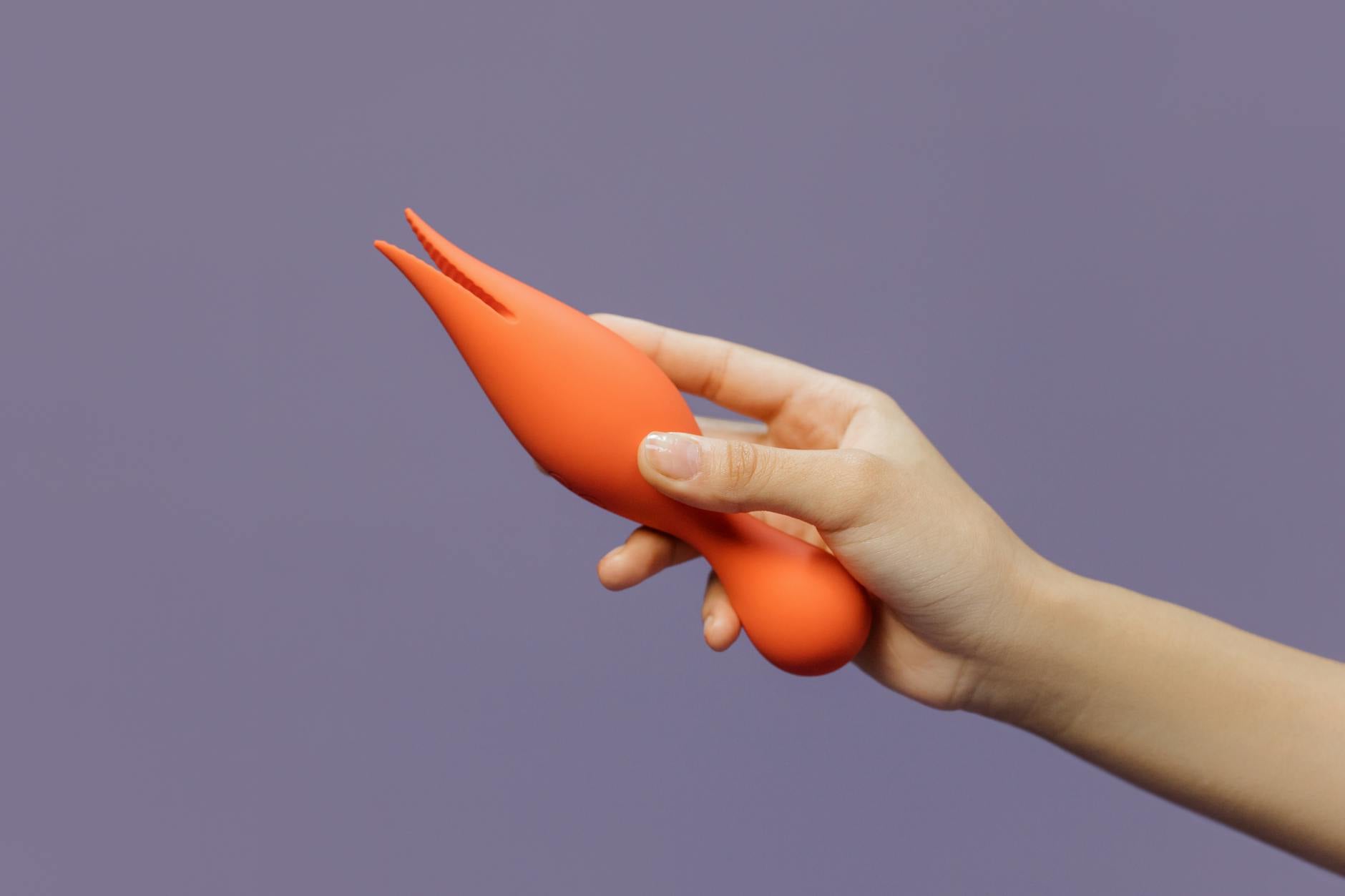
Lemon vibrators use air-pulse suction technology, which is neurologically different from vibration. Instead of repetitive mechanical buzzing, suction creates a gentle rhythmic pressure that stimulates nerve clusters in a new way. Your clitoris hasn't adapted to this signal pattern because it's not the same pattern it's been receiving.
Here's the neurology: when you switch stimulus types, you're recruiting different neural pathways. Your clitoris still has dormant sensitivity to suction. You've just trained your body to respond to vibration only. A lemon clitoral vibrator reintroduces sensation through a mechanism that feels novel to your nervous system, which often means the sensation feels stronger and more real, even at lower intensities.
This is why people who've experienced numbness with traditional vibrators often report that a lemon vibrator feels almost shockingly intense the first time they use it. That intensity isn't because it's "more powerful." It's because it's stimulating nerves that haven't been worn down by repetitive signaling.
The pressure difference matters
There's another mechanical advantage. Traditional vibrators rely on direct contact and pressure. They need enough force to transmit the vibration through tissue. Lemon vibrators use suction, which creates a seal and pulls the tissue gently into the cup. This distributed pressure activates a broader network of nerve endings rather than concentrating force in one spot.
When your clitoris is numb, concentrated pressure often feels uncomfortable or irritating because you're essentially trying to force sensation on tissue that's already desensitized. Suction feels different. It's gentler on the tissue itself while being more effective at triggering nerve response.
This is also why people with clitoral numbness sometimes report that traditional vibrators actually make their sensitivity worse over time. The pressure required to feel anything eventually numbs the area further. A lemon vibrator sidesteps that trap.
Rebuilding sensitivity without force
If you've been dealing with clitoral numbness, here's how to approach a lemon suction vibrator without repeating the intensity trap.
Start at the lowest setting. This is not a suggestion. Your instinct will be to turn it up because you're used to needing high intensity. Resist that. Stay on setting 1 or 2 for your first three to five sessions. Your nervous system needs time to remember how to respond to this different stimulus type.
Short sessions work better. Ten to fifteen minutes of suction is plenty. Your clitoris will be relearning sensation, which means you might experience some overstimulation even at low settings. That's normal. It means the nerves are waking up. Take breaks between sessions.
Use your brain more. Fantasies, mental focus, and arousal context matter more with numbness recovery than they do with high-intensity vibration. A lemon vibrator works best when you're actually engaged mentally. This isn't a hack; it's how pleasure works when you're rebuilding sensitivity. The lemon vibrator is the tool. Your imagination is the work.
Rotate positions slightly. Don't keep the lemon in the exact same spot for the entire session. Gentle movement around the clitoris lets different nerve clusters respond rather than overloading one area.
Why other solutions often fail
Some people try to fix clitoral numbness by taking a break from stimulation. This helps, but only partially, because the problem is usually neurological adaptation, not physical damage. You also can't undo years of high-intensity vibration just by waiting. You have to retrain your response.
Others switch to a different vibrator brand, hoping the slightly different buzz pattern will help. Sometimes it does temporarily, but you're still using the same mechanism: vibration. Your clitoris adapts to this new frequency the same way it adapted to the last one.
A lemon vibrator works because it's not vibration. It's suction. It's not a slightly different version of the same thing you've been doing. It's a fundamentally different stimulus type.
Managing the mental side
Clitoral numbness often comes with emotional weight. You might feel broken, aging, or like your body is betraying you. That story gets in the way. The numbness is real, but it's not permanent, and it doesn't mean your capacity for pleasure is gone.
When you switch to a lemon vibrator and suddenly feel sensation you thought was lost, that can be an incredible moment. That's not magic or placebo. That's your nervous system responding to a stimulus it hasn't adapted to yet. You're not getting your old sensation back. You're discovering a new one.
If you're in a relationship, this transition is worth explaining to your partner. "I'm trying something different to rebuild sensation" is clearer than suffering silently and having them think they're doing something wrong. Numbness is a physical response to repetitive stimulation, not a reflection on your attraction to them or their abilities.
When to consider other factors
Clitoral numbness is usually straightforward sensory adaptation, but sometimes it signals something else. If numbness appeared suddenly rather than gradually, or if it's accompanied by pain, numbness elsewhere in your body, or loss of sensation that affects other areas of your life, see a healthcare provider. Sudden neurological changes deserve a medical check.
Most numbness from vibrator use is completely reversible. Your clitoris isn't permanently broken. It's just adapted. A lemon vibrator's suction mechanism reintroduces sensation through a novel pathway, which is why so many people who've struggled with numbness find it genuinely life-changing.
The key is patience. Don't recreate the intensity trap with a new tool. Let the lemon vibrator do its work at lower settings, give your nervous system time to respond, and trust that sensation you thought was gone can come back.
People also ask
Can clitoral numbness from vibrators be permanent?
No. Clitoral numbness from vibrator use is almost always reversible. It's sensory adaptation, not nerve damage. Your clitoris has the same nerve endings it always had. They've just been trained to respond to repeated mechanical vibration. Switching to a different stimulus type, like a lemon vibrator's suction technology, usually reawakens sensation within a few weeks of regular use. The key is giving your nervous system time to respond and resisting the urge to chase intensity.
How long does it take to rebuild clitoral sensitivity?
Most people notice improved sensation within two to three weeks of consistent use with a lemon vibrator, though changes vary widely. Some experience a shift after a few sessions. Others need a full month. The timeline depends on how long you've been experiencing numbness and how high the intensities were beforehand. Regular shorter sessions (10-15 minutes, three to four times a week) work better than sporadic longer ones. Be patient. You're retraining your nervous system, not forcing a quick fix.
Is a lemon vibrator gentler than a traditional vibrator?
Yes and no. A lemon vibrator isn't gentler in the sense of having less power. It's gentler because suction distributes pressure differently than direct mechanical vibration. Traditional vibrators concentrate force through contact, which can feel intense on numb tissue. Suction creates a softer, broader stimulation that often feels more comfortable while still being effective. If you're dealing with numbness, a lemon vibrator typically feels more pleasant and sustainable than trying another traditional vibrator.
Can I use my old vibrator again after rebuilding sensitivity with a lemon vibrator?
Yes, but it requires intention. Once you've rebuilt sensitivity, you can safely use other toys, but avoid immediately returning to the same high-intensity patterns that created numbness in the first place. Think of it like building muscle. You wouldn't go back to lifting your maximum weight immediately after recovery. Vary your tools and intensities. Use your lemon vibrator regularly to maintain sensitivity. Mix in other toys occasionally rather than exclusively. This rotation prevents the numbness cycle from restarting.
Does numbness happen to everyone who uses vibrators?
No. Some people use the same vibrator for years without experiencing numbness. Others notice sensation changes within months. Factors include vibrator intensity, frequency of use, individual nervous system sensitivity, and how static your patterns are. People who regularly change stimulation types, take breaks, and vary intensity and positioning are much less likely to experience numbness. If you do notice changes, a lemon vibrator can reset the pattern without requiring a long abstinence period.
What's the difference between numbness and just needing more stimulation?
True numbness feels like a gradual fade. The sensations that used to work no longer register, even at high intensity. Needing more stimulation is different. It's when standard intensity still works, but you need to be more in the mood or relaxed for it to feel good. Numbness is physical. You're not feeling a signal that's actually being transmitted. Needing more stimulation is usually contextual. Your nervous system is working fine. You're just not in the right headspace. A lemon vibrator helps with both, but understanding which one you're dealing with changes how you approach rebuilding.
The path forward
Clitoral numbness isn't rare, and it's not your fault. It's a predictable response to sustained high-intensity stimulation. The good news is that your clitoris hasn't lost its capacity for pleasure. It's just adapted. A lemon clitoral vibrator uses suction technology that your nervous system hasn't learned to tune out yet. That's why it often feels like sensation is returning when you switch.
Start low, be patient, and trust your body. You're not broken. You're just rebuilding.
If you want to explore solutions more deeply, we're here to help. Reach out anytime.