Here's the thing about this conversation
Introducing a lemon clitoral vibrator to your partnership feels like it should be a heavy moment. You build it up in your head. You rehearse the opening line. You worry they'll feel inadequate, or judge you, or think you're unhappy. Then you actually say it out loud, and something unexpected happens. Usually, they just listen.
The gap between how scary we think this will be and how it actually goes is enormous.
Why we get stuck before we even start
Let's be real. Most of us grew up with zero language for female pleasure. Sex education taught us reproduction, not sensation. Popular culture showed us orgasms that require no equipment and no conversation. And somehow, we internalized the idea that needing or wanting a vibrator means something is wrong.
It doesn't. A lemon vibrator is a tool, like a hand lotion or a comfortable pillow. It's not a judgment on your partner's touch. It's not a replacement. It's an upgrade to what's already there.
But here's the kicker. Your partner might have absorbed the same messaging. They might worry that you introducing a vibrator is code for "you're not enough." That fear, mixed with your fear, creates a silence where an easy conversation could happen.
Breaking that silence is the work.
The best time to bring it up
Don't have this conversation during sex, or five minutes before. Don't ambush them with it after drinks when their guard is down. Don't text it.
Pick a calm moment. Afternoon coffee. A walk. The car (honestly, sometimes the car is weirdly good because you're both looking forward, not at each other). The key is neutral territory where you both have space to think and respond without feeling put on the spot.
Timing matters too. Don't open this conversation if they're stressed about work, exhausted, or dealing with something heavy. Pick a moment when they have actual emotional bandwidth.
How to actually frame it
Start with curiosity, not demand. "I've been thinking about trying something new in bed, and I wanted to talk to you about it" is infinitely more collaborative than "I want to get a vibrator." The second one sounds like you've already decided and you're announcing it. The first one is a conversation.
Be specific about what you want. "I'm interested in a lemon clitoral vibrator. I've read that the sensation is different from what hands or other things can do, and I'm curious to experience that together." You're not mysterious or vague. You're giving them actual information so they can engage with the idea instead of their anxiety about it.
Attack the shame head-on. "I know this might feel weird to talk about, and it felt weird to me too at first. But I realized I was carrying some old messages about what I'm supposed to want or need, and I don't want to live by those anymore." You're modeling the vulnerability you're asking for.
Then, and this is important: ask them what they're thinking. Not "do you want to do this," but "what comes up for you when I say that." Give them room to say the scary thing. Maybe they do worry it means you're unsatisfied. Maybe they feel embarrassed. Maybe they have zero feelings about it and are genuinely just curious. You won't know until you ask.
When they say "I don't know" or "I need to think about it"
That's fine. That's actually healthy. Don't push for an immediate yes. Don't interpret a pause as a no. Let them sit with it.
If they come back with hesitation, ask what the hesitation is actually about. Is it performance anxiety (the worry that a vibrator means they're failing you)? Is it a discomfort with the sexuality itself? Is it something else entirely? Once you know the actual concern, you can address it. You can't address a vague feeling.
If it's performance anxiety, the antidote is clear: "This isn't about you being inadequate. It's about me exploring another layer of what feels good." Ideally, frame it as something you'll use together, not something you'll do to yourself. The lemon vibrator can be foreplay. It can be part of partnered sex. That's collaborative in a way that feels different.
The role of education
Sometimes partners feel more comfortable when there's a framework beyond "let's try this weird thing." If your partner is hesitant, send them the Hello Nancy buying guide or an article about how clitoral vibrators work. Suddenly it becomes science, not weirdness. It becomes "oh, it's designed to do this specific thing the human body responds to" instead of "my partner wants a toy and I don't know why."
Mention that plenty of relationships use lemon clitoral vibrators. It's not rare. It's actually pretty common. The difference is most people don't talk about it, so it feels isolating and strange. Normalizing it can shift the whole conversation.
If they say no
Honestly, that's information too. And you get to decide what you do with it.
If they say no because they're uncomfortable with you having solo pleasure (let alone partnered pleasure with a tool), that's a bigger conversation about control and autonomy in your relationship. Not every "no" is the same. Some come from shame that can be worked through. Some come from beliefs about sex that are pretty fixed. You need to know which one you're dealing with.
You also get to know that your needs matter. If you want to explore your own pleasure with a lemon clitoral vibrator, solo or with a partner eventually, that's your right. You don't need permission. A "no" from a partner is information, not the final word on what you get to do with your own body.
Moving forward
If they say yes, great. But the conversation isn't over. Talk about how you want to integrate it. Will you use it together every time? Sometimes? Just solo? What does pleasure-with-a-vibrator look like in your specific relationship? That's a design question, and you both get a say.
Also, lowkey: the first time might feel awkward. You might both overthink it. That's normal. Most things that involve bodies and vulnerability feel awkward the first time. By the third time, it usually feels much more natural.
The bigger thing here is that you just proved to each other that you can talk about something vulnerable and stay connected. That's the real win. Everything else flows from that.

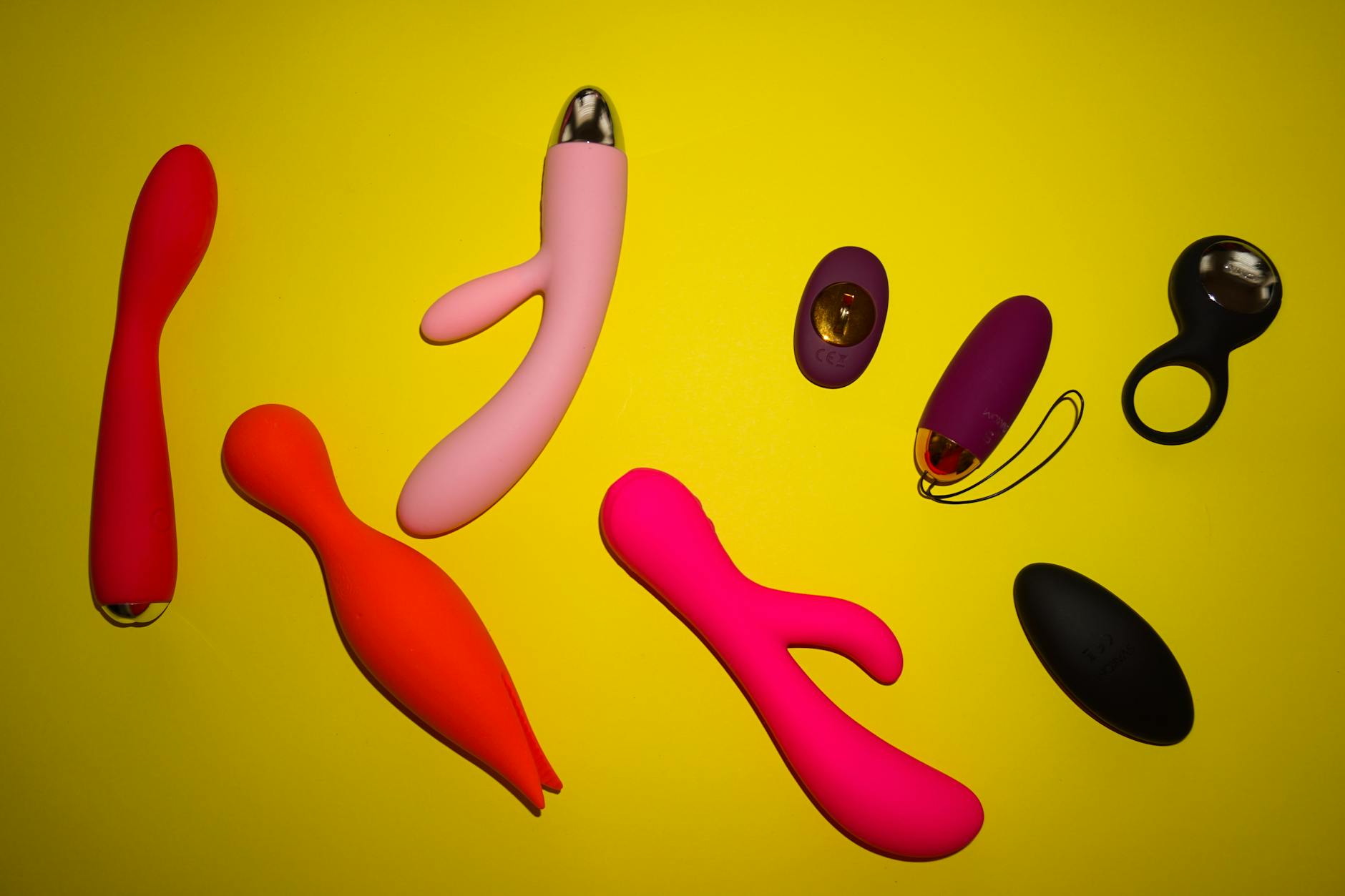
Photo by Anna Shvets on Pexels
Common fears, unpacked
"They'll think I'm not satisfied with them." Not if you frame it right. You're not replacing them. You're adding a sensation. That's different. The lemon clitoral vibrator does something hands can't do. That's not a deficiency. That's just how bodies work.
"They'll judge me for wanting this." Some partners will judge you for a lot of things, and that's about them, not you. But most partners respond to honesty and vulnerability with honesty and vulnerability. You'd be surprised.
"It will ruin the spontaneity." Sex with good communication is actually better, not worse. Knowing what your partner wants makes you more confident, not less.
"What if they want to use it and I don't like that?" That's fine too. You get to set boundaries around how you use it, what patterns feel good, what doesn't. This is collaborative, which means you're both allowed to have preferences.
Why this conversation matters beyond the vibrator
Talking to your partner about a lemon vibrator isn't really about the vibrator. It's about saying out loud: "My pleasure matters. My body matters. What I want matters." And it's about asking your partner to hear that and honor it.
That's the foundation of good sex. That's also the foundation of a good relationship.
If you're new to lemon clitoral vibrators, that same honesty applies. You're allowed to explore what feels good. You're allowed to learn your own body. You're allowed to ask for what you want.
And if your partner is worth keeping around, they'll listen.
FAQ
How do I know if my partner is open to this conversation at all?
Listen to how they talk about sex, bodies, and pleasure in general. Do they shut down conversations about these things? Do they joke awkwardly? Do they seem genuinely curious and open? You don't need a guarantee, but you can get a sense of their baseline openness. Also remember: you might be surprised. People are often more open than we expect.
What if we've never talked about sex openly before?
Then this is your opening. Start smaller if you need to. "I've been thinking about what I enjoy during sex and what I might want to explore." Build from there. This is an opportunity to establish a new norm in your relationship: we can talk about this stuff.
Should I get the vibrator first or ask first?
Ask first. If you show up with a new toy without a conversation, they'll feel ambushed. And you'll lose the chance to address their concerns beforehand. The conversation is the gift, not the vibrator.
What if they get defensive and say I'm being unfaithful or something?
That's a reaction rooted in insecurity or some pretty specific beliefs about sex and monogamy. You can respond calmly: "Using a tool for pleasure isn't infidelity. It's exploring my own body." But if they consistently respond to your needs with defensiveness, that's bigger than the vibrator. That's about whether you feel safe being honest in the relationship.
Can I use a lemon clitoral vibrator with a partner if they're not interested in being involved?
Absolutely. Your pleasure is yours. If a partner isn't comfortable being involved, that doesn't mean you don't get to have pleasure. You might do this solo, or they might prefer not to be in the room. That's a boundary they get to set. But it doesn't override your right to explore what feels good.
How do I bring this up if I'm embarrassed?
Be embarrassed out loud. "I feel kind of silly saying this, but I want to talk about trying a lemon vibrator." Naming the embarrassment removes its power. Your partner will almost certainly appreciate the honesty more than they judge the vulnerability. And once you say it once, it gets easier.
Take the conversation where it needs to go
This isn't a script. This is permission to have the conversation at all. Your specific words, your specific relationship, your specific timing. all of that matters.
What matters most is that you're choosing to be honest about what you want. That's brave. That's also how relationships actually deepen.
Ready to explore further? Check out our complete buying guide for lemon vibrators or learn more about how clitoral vibrators actually feel.
If you're still figuring out what you want, reach out. We're here.