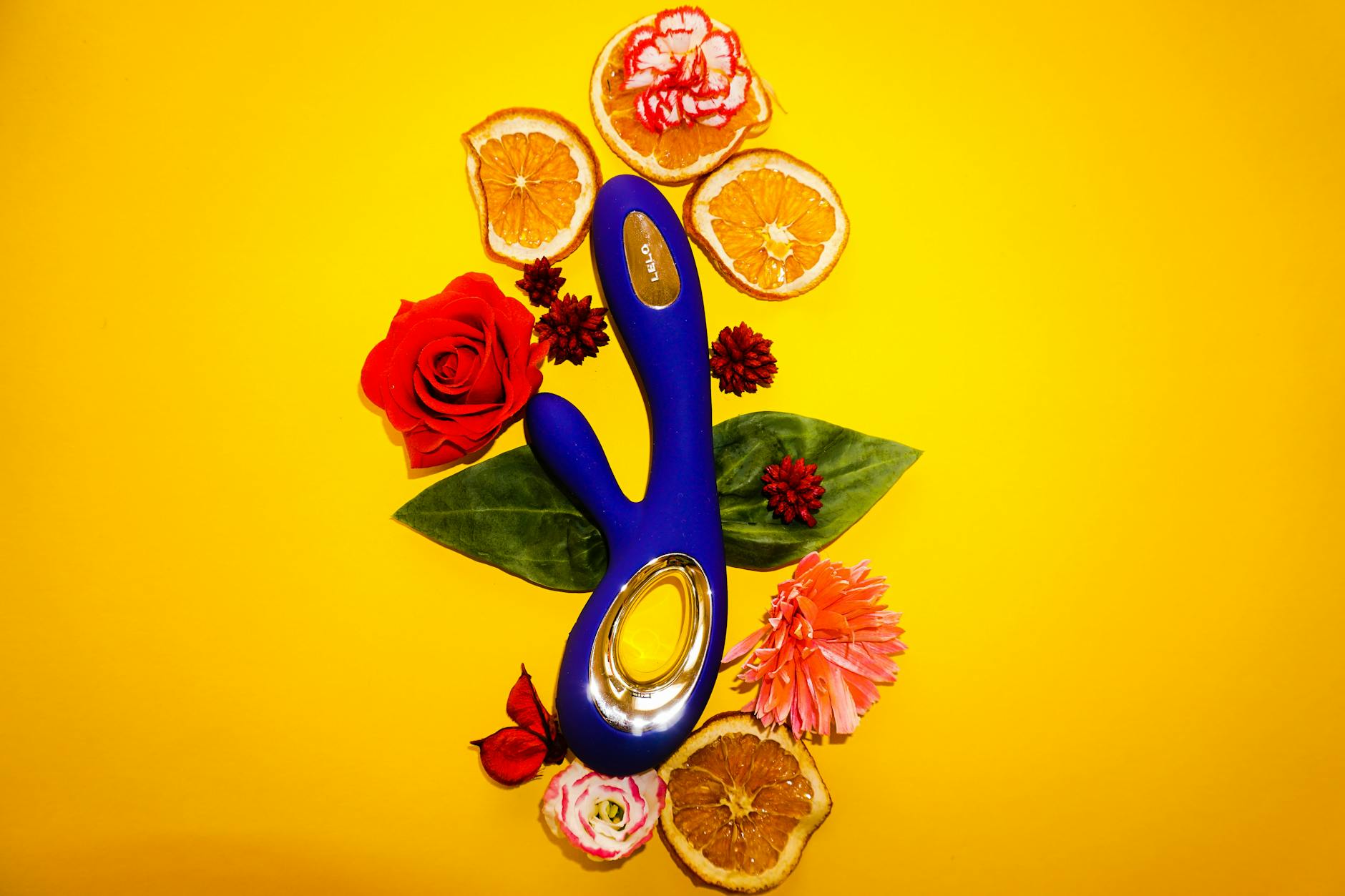
Why Lemon Vibrators Work Better for Sensitive Tissue After Surgery or Trauma
Let's be real. After surgery, trauma, or injury to your genitals, the idea of getting back to pleasure can feel impossible. Maybe a gynecological procedure left you sore. Maybe you're healing from an assault. Maybe pelvic surgery changed the landscape entirely. The body that used to respond easily now feels fragile, overprotective, or completely numb to touch.
Here's what matters: pleasure is part of healing, not a luxury. And there's a specific reason why lemon vibrators work better than traditional vibrators when your tissue is in recovery mode.
Why traditional vibration doesn't work after surgery or trauma
Tradditional vibrators, even gentle ones, work through rapid back-and-forth movement. This creates friction and direct pressure on tissue. After surgery, trauma, or injury, this kind of direct mechanical stimulation can feel overwhelming, triggering, or even painful. Your nervous system is already on high alert. Direct vibration can make it worse.
More importantly, rapid vibration requires your tissue to be thick enough and well-supplied with blood to handle the repetition. After certain procedures, after trauma responses, or during grief-based numbness, tissue sensitivity is already compromised. Adding friction to compromised tissue doesn't rebuild connection. It just creates more tension.
The psychological component matters too. If pleasure has been tied to pain or violation, your brain needs a completely different signal. A novel sensation that doesn't echo the one that hurt you.
How suction-based lemon clitoral vibrators are different
Lemon vibrators use air-suction technology instead of vibration. Rather than moving back and forth against your tissue, a lem vibrator creates a gentle seal and rhythmic pulse. It's a pulling sensation, not a pressing one. That distinction changes everything.
Suction stimulates the entire clitoral network without requiring direct friction on the most sensitive parts. The sensation is enclosed and contained, which many people find less triggering after trauma. Your nervous system doesn't perceive it as invasive because it's not pressing inward. It's drawing upward.
Most importantly, you have complete control over intensity. You start at pattern 1, 2, or 3 and only increase if and when your body signals readiness. There's no "expected" vibration speed. There's no baseline intensity you're supposed to tolerate. Just adjustable suction on your terms.
The tissue healing timeline and what lemon vibrators offer at each stage
The first two weeks after surgery or acute trauma, don't use any toy. Your body needs rest. But here's what changes around week three or four.
If your doctor has cleared you for gentle genital touch, introducing a lem vibrator can actually support healing. Gentle suction increases blood flow to the area, which accelerates tissue repair. It's the difference between immobilization and gentle, controlled movement. Your body learns that the area is safe to rebuild sensation.
After trauma, numbness is your nervous system's protection mechanism. Touch-based tools, especially ones that feel novel and non-invasive, can help rewire that response. Suction stimulation is often less triggering than vibration because there's no history of trauma connected to that specific sensation.
At four to six weeks post-surgery, if you're cleared for light activity, starting with the lowest intensity patterns on a lemon vibrator gives your tissue graduated exposure. Not forced. Not rushed. Pattern 1 for three minutes. Nothing more. Your clitoris remembers how to receive sensation at its own pace.
Why lower intensity patterns matter more than you think
Traditional vibrators max out at a certain intensity. You're choosing between "on" and "off," maybe with a few speed variations. That binary choice removes agency. It also makes it hard to find the exact threshold where stimulation feels good instead of overwhelming.
The lem vibrator's graduated intensity system lets you live in the gray zone. Patterns 1 and 2 are so subtle that many people can barely feel them at first. That's the point. Your nervous system needs permission to warm up. After surgery or trauma, rushing to intensity doesn't rebuild pleasure. It rebuilds guardedness.
I work with clients who spent months recovering from gynecological trauma. The ones who reclaimed pleasure fastest were the ones who used a suction vibrator and stayed in patterns 1-3 for weeks. No pressure to orgasm. No timeline. Just gentle, increasing blood flow and nervous system reset.
Trauma-informed pleasure: why suction matters psychologically
If your trauma involves violation or invasion, vibration that works through internal movement can trigger your nervous system even if it doesn't consciously feel "bad." Suction works differently. It's external. It's a pulling-up sensation rather than an inward pressing sensation. It feels protective rather than invasive.
The enclosed design of a lem vibrator matters here too. There's a seal between the toy and your body. That seal creates a boundary. It feels like containment rather than penetration. For people with trauma histories, that psychological distinction is massive.
Second, suction doesn't mimic a partner's touch. After trauma, especially relational trauma, having a sensation that feels completely novel and separate from past experience helps your brain categorize it differently. "This is not that. This is something new." That cognitive separation is healing.
Practical steps for getting started after surgery or trauma
First, check with your doctor. Most gynecologists clear gentle external touch around week three or four post-op, but confirm your own timeline.
Second, when you're ready, start with the lowest intensity. Don't be embarrassed by how subtle it feels. That's the goal. You're reintroducing your nervous system to pleasure gradually.
Third, use water-based lubricant. After surgery, tissue is often thinner or more delicate. Lube reduces any friction and makes the suction sensation more comfortable. It's not about need. It's about generosity toward your own healing.
Fourth, set a timer for five minutes maximum on your first session. Your nervous system doesn't need a 20-minute experience right now. It needs proof that pleasure exists and isn't threatening. Short, consistent sessions build that proof faster than intense ones.
Finally, if anything triggers pain or discomfort, stop. Healing isn't linear. Some days will feel easier than others. That's normal, and a lemon vibrator's adjustable intensity means you can meet yourself exactly where you are.
When professional support matters
If you're healing from surgical trauma or sexual assault, a trauma-informed sex therapist can make the difference between reclaiming pleasure and spinning your wheels. They're trained to help your nervous system separate past harm from present safety.
Your regular OB-GYN can also confirm that suction-based stimulation is appropriate for your specific healing. Some procedures or complications require extra caution. Don't skip that conversation.
And if numbness persists months after healing should be complete, or if touch continues to feel impossible, that's not a personal failing. It's information. You might benefit from somatic therapy or specialized pelvic floor work. Pleasure isn't something you should have to fight for. If the path back feels blocked, professional support exists for exactly that reason.
Why reclaiming pleasure is part of healing, not a luxury
Our culture treats post-trauma sexuality as optional. Nice if it happens, but not essential. That's backwards. Pleasure is how your nervous system learns that your body is safe. It's how you reclaim agency. It's how you prove to yourself that violation doesn't have to define your whole experience of touch.
A lemon vibrator doesn't heal trauma by itself. Therapy, time, and self-compassion do that work. But a tool designed for gentleness, graduated intensity, and nervous-system support can be part of your healing toolkit. It's one small, controllable way of telling your body: you're safe again. Pleasure is possible. And I'm choosing it.
People also ask
Can I use a lemon vibrator immediately after surgery?
No. Most gynecologists recommend waiting at least two to four weeks after surgery before introducing any external genital stimulation, depending on the procedure. Check with your doctor about your specific timeline. Once cleared, starting with the lowest intensity patterns is essential. Your tissue needs time to rebuild, and suction-based stimulation should feel like a gentle invitation, not pressure.
Will suction feel different if I have scar tissue?
Possibly. Scar tissue can feel less sensitive or more tender depending on the surgery and healing. A lem vibrator's adjustable intensity lets you work around this. You might find patterns 1 and 2 work best, or you might discover that gentle suction actually feels better on scarred tissue because it doesn't require the same friction as vibration. Start low and listen to your body.
Is a lemon vibrator safer than other toys after trauma?
For most people in recovery, yes. Suction-based stimulation avoids the friction and internal movement of traditional vibrators, which can feel triggering to trauma survivors. The enclosed design also creates psychological safety. That said, everyone's nervous system is different. What matters most is that the tool you choose feels non-invasive and lets you control intensity completely. If something doesn't feel right, stop and try again later.
How long does it typically take to enjoy pleasure again after surgery or trauma?
There's no standard timeline. Some people feel ready within weeks. Others need months. The key is moving at your own pace without pressure. A lemon vibrator supports this because you're not working toward an orgasm or performance goal. You're just gradually reintroducing sensation. Consistency matters more than intensity. Five minutes daily often works better than 30 minutes once a week.
What if I'm still numb after months of gentle stimulation?
Surgical numbness or trauma-related dissociation sometimes persists beyond initial healing. This is common and treatable. If numbness continues, talk to a trauma-informed sex therapist or your doctor. You might benefit from somatic therapy, pelvic floor physical therapy, or other approaches. Numbness doesn't mean you're broken. It means your nervous system needs specialized support, and that support exists.
Can my partner use a lemon vibrator on me during recovery?
Yes, if you trust them and feel ready. Some people find partner involvement healing. Others need solo time first. The advantage of a lemon vibrator is that it removes pressure from your partner to "know" how to touch you right now. The tool does the work. Your partner just holds it and follows your cues. Communicate clearly about intensity, sensation, and stop signals. Healing happens fastest when both people feel safe.
Your body's healing matters
Whether you're recovering from surgery, processing trauma, or rebuilding connection to your body, pleasure is medicine. Not metaphorically. Physically. Orgasms increase blood flow, reduce cortisol, and signal your nervous system that safety is possible. That's not indulgence. That's recovery.
A lemon vibrator is a tool designed for exactly this kind of gentle reclamation. It respects your body's timeline, offers graduated intensity, and feels fundamentally different from the kind of touch that may have hurt you. Start slow. Stay consistent. Let your body lead. You deserve to feel good again, and healing happens one gentle session at a time.