
How to Use a Lemon Vibrator After a Relationship Breakup to Rebuild Pleasure
Breakup season hits differently when you lose not just a partner but your sexual rhythm too. After months or years of partnered touch, your body feels like it belongs to someone else's schedule, someone else's preferences, someone else's pace. Solo pleasure doesn't feel like reclaiming yourself. It feels like starting from zero.
But here's what I've seen in decades of working with people navigating breakups: rediscovering your body alone is one of the most powerful parts of healing. And a lemon clitoral vibrator makes that process gentler, faster, and honestly more pleasurable than you'd expect.
Why pleasure matters after a breakup (spoiler: it's not just fun)
Let me be direct. You might feel guilty about exploring solo pleasure right now. Maybe you think you should be grieving, not aroused. Maybe your body feels unfamiliar or even hostile after being touched by someone who hurt you.
This is all normal.
What's also true: reconnecting with pleasure after a breakup is an act of reclamation. Your body is yours again. Your arousal isn't negotiable or performance-based or timed to someone else's needs. That shift, from partnered to solo sensation, activates something neurologically important. Pleasure releases dopamine and oxytocin. Both help regulate mood, reduce cortisol from stress, and rebuild the neural pathways that say "I am safe in my own skin."
After a breakup, you need that message, neurologically speaking.
Why lemon vibrators are different for solo rediscovery
A traditional vibrator is fine, but it's not ideal for this specific moment. Most bullet or wand vibrators require you to know exactly what you want and how much intensity you can handle. They're fine if you already understand your body's signals. But after a breakup, you're learning those signals again, sometimes from scratch.
Lemon clitoral vibrators, by contrast, work differently. They use suction and pulsing patterns rather than raw vibration. This means the sensation is broader, less directional, and gentler on tissue that might feel raw or unfamiliar. You're not targeting one specific point. You're creating a whole-area sensation that feels more like rebuilding connection than hitting a button.
For solo rediscovery specifically, that difference matters.
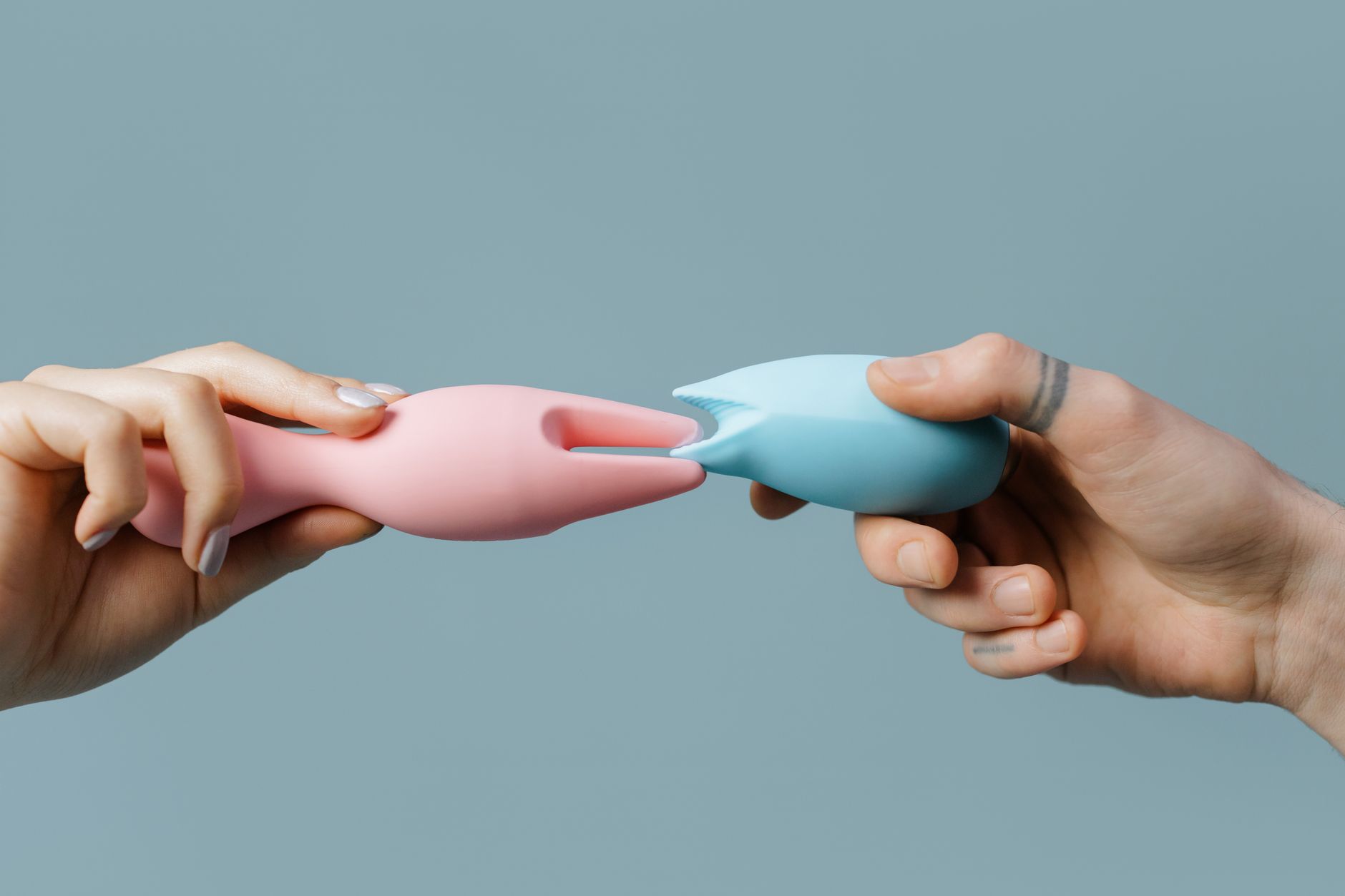
Photo by cottonbro studio on Pexels
The post-breakup nervousness is real. Here's what to expect.
First time solo after a breakup, many people feel weird. Your body might not respond immediately. You might feel guilty or sad mid-session. Your mind might wander to the person you just left. None of this means something is wrong with you.
It means you're processing. Give yourself permission for that.
Start small. Set aside 20 minutes in a space where you feel safe and won't be interrupted. Charge your lemon vibrator completely so you have full control over intensity from the beginning. Start at the lowest pattern level. Many people come back to pleasure fastest when they focus on the sensation itself rather than the goal of orgasm. You're not trying to reach anywhere. You're learning to feel again.
Building back sensation after shared intimacy
When you've been sexually intimate with someone for a while, your nervous system gets trained into that dynamic. Their touch, their rhythm, their preferences become your baseline. After a breakup, that training needs gentle unraveling. Your body doesn't instantly remember how to respond to touch that isn't theirs.
This is where patience with a lemon clitoral vibrator pays off. Because the sensation is pulsing rather than constant, your nervous system can reset in stages. You're not replacing their touch with an identical sensation. You're creating something entirely different. The suction-and-pulse pattern of a device like the Lem feels nothing like partner touch, which actually helps your body understand this is new territory.
Spend a few sessions just exploring different patterns. You don't need to commit to any particular setting. The goal is rediscovering what your body can feel when it's only accountable to you.
Dealing with shame, grief, and arousal happening at once
Here's something nobody talks about: you might feel aroused while you're still grieving the person. Your body doesn't operate on the same timeline as your heart. You can be heartbroken and horny simultaneously. That contradiction is confusing and that's okay.
I work with clients through this regularly. The shame comes when people think "I shouldn't be enjoying this if I'm sad." But arousal and grief aren't mutually exclusive. Your body is healing. Your nervous system is regulating. Pleasure is part of that process, not evidence that you didn't care about the relationship.
When you feel this mix of emotions, keep the lemon vibrator sessions short and gentle. Five to ten minutes is enough. You're not pushing toward orgasm. You're just reconnecting with the fact that your body can feel good independently. That's the whole point.
Solo pleasure is a skill you're rebuilding
If you spent years in a partnered dynamic, solo touch might feel foreign or even boring compared to partnered sensation. This is developmentally normal and completely fixable. You're rebuilding an atrophied skill.
Try this progression: Week one, just explore sensation without expectation. Week two, introduce a lemon vibrator at the lowest setting and notice what patterns feel good. Week three, start building session length. By week four, most people find their solo pleasure rhythm has returned.
The lemon clitoral vibrator accelerates this process because the sensation is novel enough to feel fresh but gentle enough not to overwhelm a nervous system that's already managing grief.
Reclaiming your preferences from scratch
One hidden gift of breakup-era self-discovery: you get to figure out what you actually like, separate from compromise or accommodation. You're not negotiating intensity with a partner. You're not adjusting timing to their schedule. You're not doing anything because you're supposed to.
After a breakup, many people realize they never fully knew their solo pleasure preferences. They'd become so partnered-focused that self-touch felt secondary. A lemon vibrator gives you a clear, easy tool to experiment. Does pattern three feel better than pattern one? Do you prefer longer sessions or quick reconnections? Do you like the sensation building slowly or starting intense?
These are genuinely useful data points about yourself. They matter for future partnered intimacy too. But right now, they just matter because they're yours.
Photo by Vanessa Loring on Pexels
When to reach for the lemon vibrator in your healing timeline
There's no one right time to start solo exploration after a breakup. Some people feel ready within days. Others need weeks. Your timeline is yours.
But I do recommend waiting until the acute pain has softened slightly. If you're in the stage where thinking about your ex sends you into a spiral, now probably isn't the moment. Wait until you can be in your body without it feeling like betrayal or avoidance.
Once you're there, starting with a lemon clitoral vibrator is gentler than jumping straight back into intense solo touch. The novelty of the sensation gives your nervous system something to pay attention to other than the grief.
Building confidence back into your body
Breakups are an assault on body confidence. You might feel less desirable, less capable of pleasure, less worthy of your own touch. This is universal. Your brain is lying.
Using a lemon vibrator solo, in a regular rhythm, sends a neurological message: "My pleasure matters. My body is capable. I'm worth my own attention." Repeat that message weekly and your nervous system starts to believe it. This isn't therapy speak. This is nervous system retraining.
After three to four weeks of regular solo sessions with a lemon vibrator, most people notice a shift. Pleasure starts to feel like it belongs to them again, not like something they're borrowing or missing. That's the moment you know it's working.
FAQ: Questions people ask about solo pleasure after breakup
Is it normal to feel sad during solo pleasure after a breakup?
Completely normal. Your body might respond with arousal while your heart is still processing loss. This doesn't mean anything is wrong. It means your nervous system is healing on its own timeline, separate from your emotional timeline. If sadness becomes overwhelming, pause the session and give yourself space to feel it fully. There's no rush.
How long should sessions be when rebuilding solo pleasure?
Start with ten to fifteen minutes, focusing on sensation rather than outcome. As you rebuild confidence over two to three weeks, you can extend to twenty to thirty minutes if you want. There's no minimum or maximum. Some people prefer frequent short sessions. Others like longer, deeper exploration. Both work. Follow what feels sustainable for your life and nervous system right now.
Will using a lemon vibrator make it harder to enjoy touch with a future partner?
No. If anything, understanding your own solo pleasure makes partnered intimacy richer because you know what you like and can communicate it. A lemon clitoral vibrator teaches you about your body's responsiveness in isolation, which translates directly to better partnered connection down the line. You're building skills, not replacing anything.
Can I use a lemon vibrator if I don't feel any arousal yet?
Yes. You don't need to feel aroused first. Start exploring sensation with the vibrator at low intensity and let arousal build or not build. Many people find that touch itself generates arousal, rather than the other way around. A lemon vibrator is gentle enough to reawaken sensation without pressure to perform. That's actually the point.
What if using a lemon vibrator brings up memories of my ex?
This is common in early breakup healing. If that happens, pause and journal about it rather than pushing through. Your nervous system is processing. After a few weeks, the association usually loosens. If it doesn't, you might benefit from talking to a therapist about the breakup itself. Solo pleasure should feel safe, not triggered.
How do I know I'm ready to move from solo pleasure back to partnered intimacy?
You're ready when solo sensation feels grounded and pleasurable without being tied to grief or your ex. You're ready when you can use a lemon vibrator and feel like you're exploring yourself, not processing someone else's absence. Usually that's four to eight weeks, depending on relationship length and your processing style. There's no deadline.
The bigger picture: pleasure as part of healing
Breakups steal your sense of belonging to yourself. You lose shared rituals, shared touch, shared presence. Rebuilding solo pleasure isn't about sex. It's about reclaiming the most basic human right: comfort in your own body.
A lemon vibrator is just a tool for that. But it's a surprisingly effective one. Because it's novel, it's gentle, and it offers sensation that's distinctly different from what you lost. You're not trying to recreate partnered intimacy. You're building something entirely yours.
Start whenever you're ready. Be patient with yourself. Your body knows how to feel good. After a breakup, sometimes it just needs permission and a little help finding its way back.
If you'd like to explore how to build emotional intimacy in future relationships, or if you're working through the emotional side of a breakup, reach out to Hello Nancy. We're here to help.
Sources
- Komisaruk, B. R., & Whipple, B. (2005). "Functional MRI of the brain during orgasm in women with complete spinal cord injury." Progress in Brain Research, 152, 127-138.
- Georgiadis, J. R., & Holstege, G. (2005). "The neurobiology of the sexual response in humans and animals: Towards an integrative perspective." Current Sexual Health Reports, 2(4), 110-122.
- Porges, S. W. (2011). The Polyvagal Theory. W.W. Norton & Company.
- Vance, E. B., & Wagner, N. N. (1976). "Written descriptions of orgasm: A study of sex differences." Archives of Sexual Behavior, 5(1), 87-98.