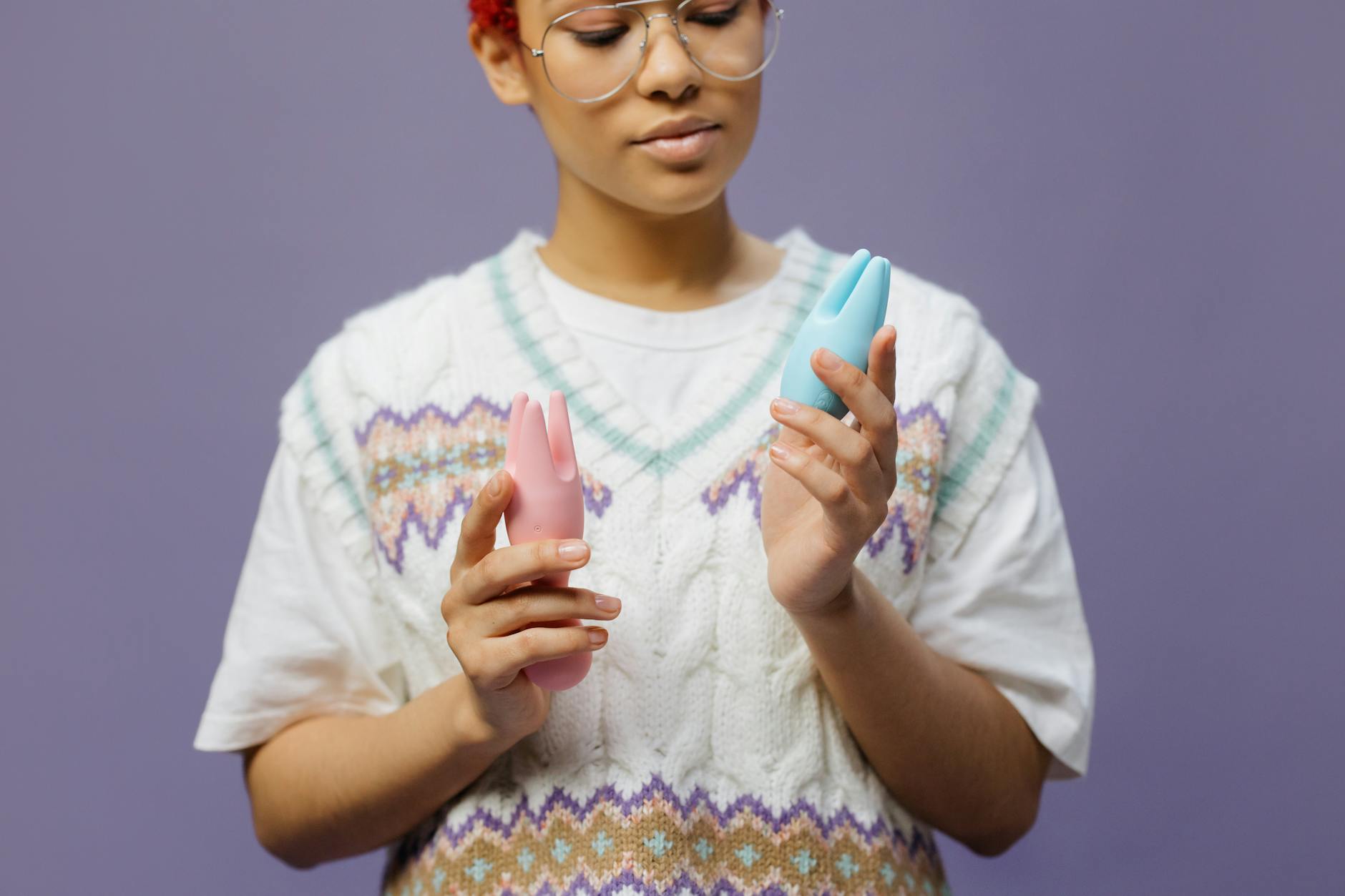
Here's what actually shifts when estrogen drops
Let's be real. Perimenopause hits differently than menopause itself. You're not fully "there" yet, but your estrogen is already on a downward slope. This is weird because your cycle might still be somewhat regular, so you feel like you should still respond the way you always have. But your body is already changing.
Tissue gets thinner. Lubrication decreases. Arousal takes longer to build, sometimes 15 to 20 minutes instead of the five you used to need. Orgasms might feel different, quieter, or sometimes surprisingly intense in new ways. And here's the part nobody warns you about: your partner might not realize what's happening, so they start thinking it's about them.
It's not.
Why communication matters before you even touch
This is the conversation you need to have when you're both clothed and calm, not when things are already awkward in bed. Tell your partner three specific things: one, your body is changing due to hormones, not their fault, not your fault. Two, it's going to take longer for arousal to build, and that's totally normal. Three, you want to explore together using tools like a lemon clitoral vibrator because the sensation works really well right now.
Most partners respond with relief when they hear this. They've been worried they did something wrong. Now they know they're part of the solution. Frame it as an adventure, not a problem you're solving alone.
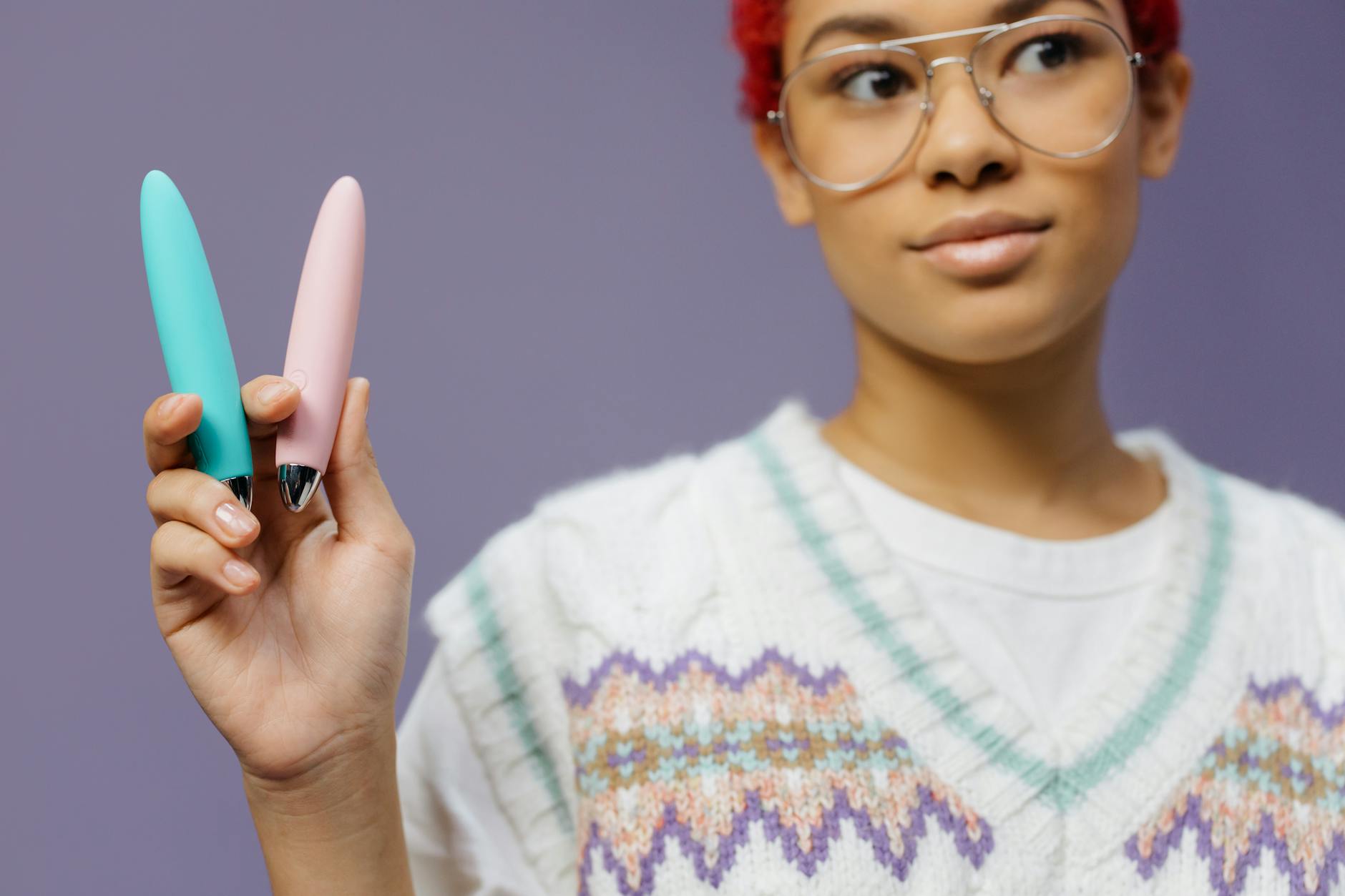
Photo by cottonbro studio on Pexels
The timing shift you need to plan for
When estrogen dips, foreplay isn't optional anymore. It's foundational. Budget at least 20 to 25 minutes before introducing a lemon vibrator into partnered play. Start with touch, conversation, whatever helps you both warm up. This isn't rushed. This is intentional.
Here's the practical part: ask your partner to help you get to about 60 percent aroused before you bring the vibrator in. At that point, your tissues are more plump, blood flow is better, and sensation is sharper. A lemon clitoral vibrator works best when you're already partially there. If you start from zero, the suction might feel too intense or not quite right.
How to use a lem vibrator together when tissue is thinner
Start on the lowest setting, always. The lem vibrator's first two intensity levels are gentler than most traditional vibrators. If you've been using something else, this might feel like a completely different experience, which is actually what you want right now.
Your partner should hold the vibrator or guide it while you decide pressure and placement. This keeps the power dynamic collaborative instead of you doing all the work or them wondering if they're doing it right. Communication in real time matters. "That's good" or "a bit lighter" or "try right there" beats silence every time.
Because tissue is thinner, avoid prolonged direct pressure on the same spot. Move the vibrator gently in small circles or let it hover, using the suction sensation rather than vibration alone. The lem's design actually makes this easier than traditional vibrators because the suction gives you sensation without needing intense pressure.
The lubrication conversation you need to have
If you're in perimenopause, lubrication might be inconsistent. Some days you feel fine, other days you're dry. Don't let this be a surprise in the moment. Keep a water-based lubricant near the bed, and use it without making it weird. This isn't a sign of dysfunction. It's a sign you're being smart.
Apply it to the outside of the vibrator and to your own body before your partner touches you. This takes the guesswork out for them and ensures comfort from the start. If you're using a lemon clitoral vibrator, a small amount goes a long way. You're not trying to waterslide. You're just making sure everything feels good.
What to do if sensation feels numb or muted
Sometimes during perimenopause, even with arousal and good lubrication, sensation feels flatter than before. This is frustrating. It's also temporary and manageable. If this is happening, spend an extra few minutes on foreplay before using the vibrator. Let your partner manually stimulate you first, getting blood flowing to the area.
When you do use a lemon clitoral vibrator, start on pattern one and slowly increase. Skip ahead to pattern four or five if you need to feel something real. There's no prize for using the lowest settings. Your pleasure matters more than proving you don't need help.
Also consider the timing. Some days in your cycle, even in perimenopause, sensation is naturally sharper. You might notice this roughly 14 days after the first day of your period, if your cycle is still somewhat regular. Plan partnered time for those windows when you can, though don't turn this into an obsession.
Reframing pleasure for both of you
Here's the mindset shift that matters most: your partner's job isn't to make you orgasm. Your job isn't to orgasm on schedule. Your job together is to explore what feels good right now, in this new version of your body, and find out what builds genuine pleasure for both of you.
Sometimes that means you'll get there. Sometimes you'll get close. Sometimes you'll enjoy the sensation without climax. All of these are wins. The pressure to perform drops when both of you let go of the outcome and focus on the experience.
Many people in this phase of life report that partnered sex becomes deeper and more connected than it was before, even if it looks different. You're paying attention. You're communicating. You're not on autopilot.
When to get medical support
If penetration or any kind of touch becomes genuinely painful, don't wait. Pain during perimenopause can signal genitourinary syndrome (GSM), which is real and highly treatable. A gynecologist can prescribe topical estrogen creams that work fast and have minimal systemic absorption. You're not broken. You just need the right tool.
If desire has completely flatlined and it's distressing you, that's also worth a conversation with a doctor. Low testosterone or other hormonal changes can affect libido, and there are options.
Most of the time, though, this phase is just different, not worse. Your body is adjusting. With patience and the right approach, partnered pleasure stays very much on the table.
FAQ
How long does perimenopause usually last?
Perimenopause typically lasts 8 to 10 years, though the range can be 4 to 15 years depending on genetics and individual biology. It starts in your 40s for most people, sometimes earlier. During this time, estrogen and progesterone fluctuate wildly, which is why one month you might feel totally fine and the next month everything feels different. Your period might come on schedule one month and skip the next. This unpredictability is what makes perimenopause feel weird. Once you've gone 12 consecutive months without a period, you've reached menopause. Until then, you're in perimenopause, and your body is legitimately changing.
Can I still have good orgasms during perimenopause?
Absolutely yes. In fact, many people have better orgasms during and after perimenopause than they did before. The difference is that getting there takes longer and might require different stimulation. A lemon clitoral vibrator works particularly well during this phase because the suction sensation adapts to thinner tissue better than traditional vibrators. The key is patience and communication with your partner about what feels good now, not what felt good five years ago.
Should I use more lubricant during perimenopause?
Yes, and that's completely normal. Even if you never needed lube before, perimenopause often makes natural lubrication less reliable. Water-based lubricants work best with silicone toys and with any kind of partnered play. Apply it generously without embarrassment. This is mechanics, not pathology. Your body is adjusting, and lube is the simple fix that makes everything feel better.
Does using a lemon sexual toy mean my partner isn't enough?
Nope. A lemon clitoral vibrator is a tool that works with your body's current chemistry, not a sign that something is broken in your relationship. In fact, couples who bring toys into partnered play report higher satisfaction overall. Your partner gets to participate in your pleasure, watch what works, and feel invested in making you feel good. That's intimacy.
How do I bring this up without making my partner feel inadequate?
Frame it as exploration, not substitution. Say something like: "My body's changing a bit, and I want to try something new together. I found this vibrator that I think could feel really good, and I'd love for you to be part of it." Then make it collaborative from the start. Have them hold the vibrator or guide it. Ask for their input. Make it clear you're doing this together, not to themselves while your partner watches.
What if my partner is uncomfortable with toys?
That's fair, and it's worth a conversation. Ask what makes them uncomfortable. Sometimes it's about feeling replaced. Sometimes it's just unfamiliarity. Share that a lemon clitoral vibrator isn't about replacing them. It's about working with your body right now. You might start by using it solo first, then invite them to join later. Or they might observe first before touching it. There's no rush. The goal is comfort for both of you, not forcing something neither of you wants.
What happens next
Perimenopause is a transition, not an ending. Your body is changing, and so is your sexuality. That's not something to fear or fix. It's something to learn and adapt to, ideally with a partner who gets it.
Start with the conversation. Then with patience and communication, introduce a lemon vibrator. Pay attention to what feels good. Adjust based on what actually works, not what you think should work. Your pleasure matters. Your partner's participation in that pleasure matters too.
If you want more specific guidance tailored to your situation, reach out. We're here to help you navigate this phase with confidence and real results.