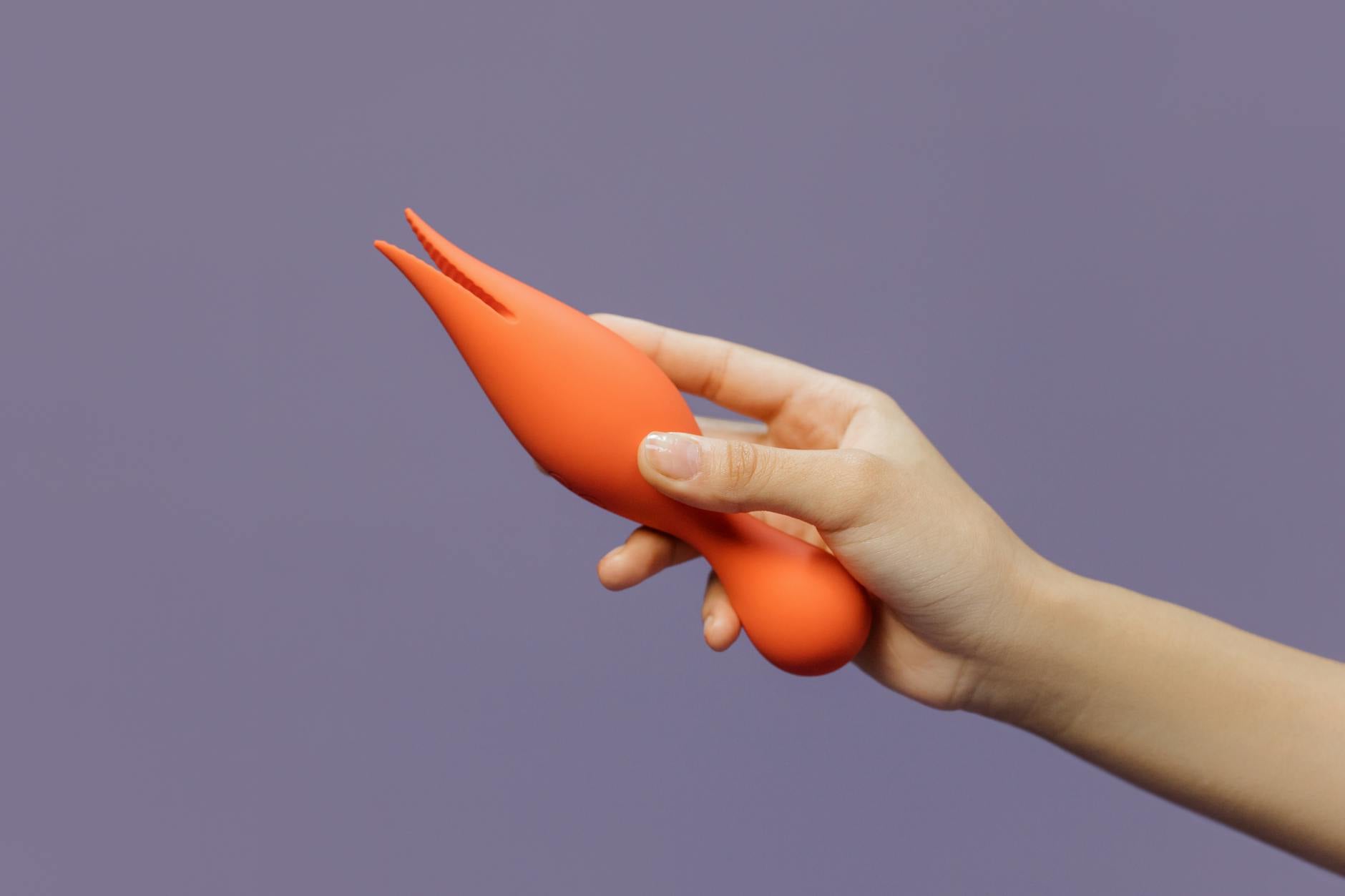
The thing nobody tells you about starting over
After divorce, the idea of sexual intimacy with someone new can feel like learning a foreign language. Your body remembers years of patterns with someone else. There's muscle memory in how you move, what you expect, how you respond. And there's also the weight of it. The vulnerability of letting someone see you again, sexually, after what didn't work before.
Here's what I've seen in my clinical practice: couples who introduce a lemon vibrator early in their new relationship often move through that vulnerability faster and more honestly than couples who wait. Not because the toy magically fixes things, but because it changes the conversation from "Am I enough?" to "What do we both want?" That shift is everything.
Why vulnerability is actually easier with a tool in the room
When you're starting a sexual relationship after divorce, the stakes feel impossibly high. You're both carrying stories. You're both hyper-aware of what you lost, what went wrong, what you're risking by trying again. Sex becomes loaded with all of it.
Introduce a lemon clitoral vibrator and something interesting happens. Suddenly, pleasure is no longer about performance or proving something works between you. It's collaborative. It's a third thing you're both exploring together. That takes the pressure off you, off your partner, and off the need for everything to be "natural" or "easy."
My clients often describe this shift as permission. Permission to be curious instead of pressured. Permission to say "try this" or "that doesn't work for me" without it feeling like rejection. A tool like the Lem gives you language that's separate from ego.
Having the conversation before you're in bed
Don't introduce a lemon vibrator in the moment, mid-intimacy. That's where most people stumble. Instead, talk about it when you're clothed, calm, and not trying to be sexy.
Here's what I recommend saying:
"I've been thinking about how we could make intimacy feel less pressured for both of us. I love what we're building, and I want to explore that without either of us feeling like it has to be perfect. Would you be open to trying something together that might actually make this easier and more fun?"
Notice what that does. It frames the vibrator as a tool for connection, not a replacement or a sign that something's missing. It acknowledges that starting over is vulnerable for both of you. And it asks for genuine consent, not assumption.
Your partner might say yes immediately. They might need time to think about it. They might have concerns. All of that is okay. The conversation itself is the win here. It's honest communication about pleasure, and that's often the hardest part.
How to actually use it together
If your partner is on board, start simple. Don't make your first time with a lemon clitoral vibrator about achieving an orgasm or "proving" the toy works. That recreates the same performance pressure you were trying to escape.
Instead: spend 20-30 minutes together. Use it during foreplay. Let your partner hold it, guide it, watch how you respond. This does several things. First, it keeps them engaged and present. They're not a passive observer. Second, it builds their comfort with the toy. Many partners worry vibrators are intimidating or that their presence is unnecessary. Letting them hold it, feeling the vibrations, seeing what you enjoy, reassures them in a way that talking never can.
Start with the Lem on patterns 1 or 2. These lemon vibrators are gentler than they look initially. You're rebuilding sensitivity and trust simultaneously here, so there's no rush to crank intensity. Let your body wake up gradually. Your partner can watch your breathing, your movements, adjust based on what they're seeing.
The specific patterns that work best for anxiety
When you're nervous, your pelvic floor tends to tighten. This is involuntary and completely normal after a major relationship loss. Vibration that's too intense or inconsistent can actually increase that tension rather than release it.
Pattern 1 or 2 on a lemon vibrator is rhythm-based and even. It doesn't spike or stutter. That steadiness is grounding. It gives your nervous system something predictable to track. After about 10-15 minutes, you'll feel your pelvic floor actually relax. Only then does pleasure become possible.
Your partner should know this. "If I need to slow down, that's not about you or about the toy. It's me settling into my body again. Can you just stay with me?" Knowing your partner understands the timeline makes a massive difference.
What to do if he's worried the vibrator replaces him
This is real. Some partners worry that a toy means they're not enough. Here's how I address it clinically.
The Lem stimulates your clitoris. Your partner can kiss your neck, touch your breasts, be inside you or use their hands on you at the same time. These are not competing experiences. They're happening in concert. Your partner is still fundamentally part of this. They're just not carrying the entire load of bringing you pleasure.
After divorce, that matters. You're both learning that pleasure doesn't have to be earned through performance or desperation. It can be collaborative and light.
Tell him: "I want you here with me. This toy just changes what my body can feel. You're still the person I'm choosing to explore this with."
Building the habit gradually
Don't use the vibrator every time you're intimate. That actually backfires. You want it to feel like a choice, not a crutch. Maybe once a week, or every other time. This prevents your body from becoming dependent on that specific stimulation pattern while still giving you the bonding benefit of using it together.
Over weeks, a few things happen. Your nervous system settles. Your body learns it's safe to respond. Your communication with your partner deepens because you've practiced asking for what you want and listening to what they want. You rebuild your capacity for pleasure without shame.
The emotional reset that actually matters
After a divorce, reclaiming your sexuality is part of reclaiming yourself. It's not frivolous or shallow. It's you saying: I get to have desire. I get to have pleasure. I get to explore this with someone I'm choosing.
Using a lemon vibrator with a partner after divorce is that in action. It's you and someone new, learning each other's bodies and boundaries with honesty and curiosity. It's not about the toy. It's about what the toy makes possible: a conversation where both of you matter equally, your pleasure is as important as theirs, and vulnerability is something you're brave enough to try again.
That's the reset. Everything else follows from there.
People also ask
Is it weird to introduce a vibrator when you're just starting to date someone?
Not weird. Honest. Most relationships that start after major life loss benefit from early transparency about bodies, pleasure, and what helps both people feel comfortable. If someone's put off by the idea of using a lemon clitoral vibrator together, that's useful information about compatibility.
How long should I wait after divorce before being intimate again?
There's no universal timeline. Physically, your body heals faster than your heart. Emotionally, you might need months or years to feel safe again. Start when you feel ready, not when you think you should. If you're dating someone and nervous about sex, that's normal. A lemon vibrator can actually ease that transition because it gives you something to focus on besides your own anxiety.
What if my partner has never seen a sex toy before?
Show it to him outside the bedroom first. Let him hold it, feel the weight, understand how it works. Many men have zero experience with toys and imagine them as something clinical or intimidating. Seeing a lemon vibrator in your hand, hearing how quietly it hums, understanding that it's about pleasure and exploration not performance, demystifies it quickly.
Can we use a lemon vibrator if one of us has trauma or anxiety?
Yes, actually with care. If either partner has sexual trauma, the key is communication and permission at every step. Go slower. Check in frequently. A lemon clitoral vibrator can actually help because the predictable rhythm is less triggering than unexpected sensation. But you're working with an understanding partner, not a therapist. If trauma is significant, that's something to process with professional support first.
How do I know if my new partner is genuinely okay with using a vibrator together?
You ask, you listen, and you watch. Words matter, but so does body language. If he says yes but seems tense or withdrawn, that's not a true yes. Circle back later. "I want to check in. Are you genuinely comfortable with this, or do you have concerns?" Real consent feels relaxed, not reluctant.
Should I have an orgasm goal when we use it together?
No. The goal is connection and exploration. If an orgasm happens, great. If it doesn't, that's also fine. Attaching success to climax recreates the same pressure that often killed sex in the first place. You're relearning your body and rebuilding trust simultaneously. That's the victory.
Starting over is brave
You're rebuilding not just a relationship, but your trust in the possibility of pleasure, safety, and choice. A lemon vibrator is a small tool in that much larger work. What it does is give you and your partner a way to talk about pleasure without shame, to learn each other's bodies with curiosity instead of pressure, and to remind yourselves that you both deserve to feel good. That's what matters.
If you're ready to explore this with your partner, we're here. And if you have questions along the way, reach out. You don't have to figure this out alone.