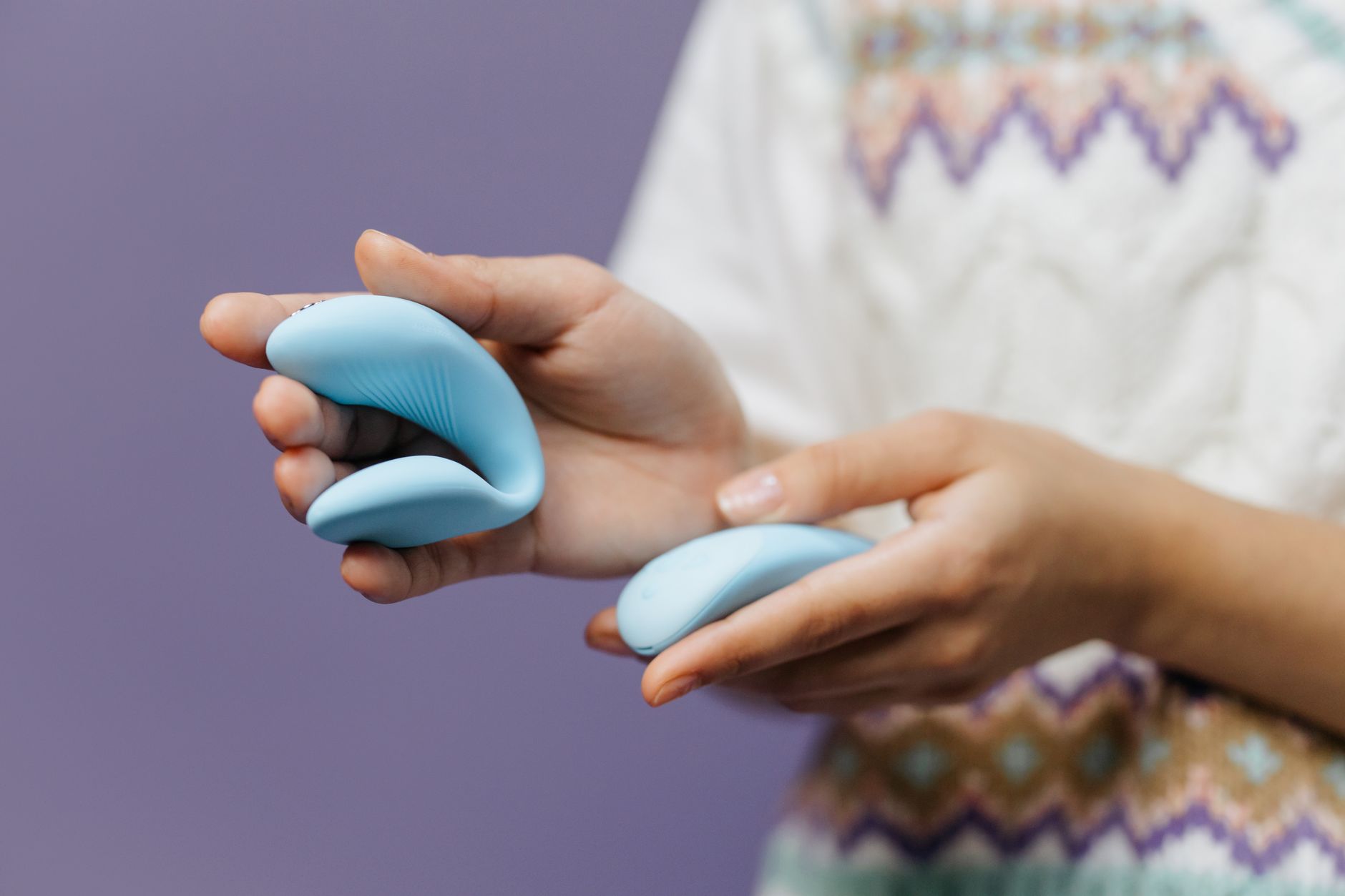
How to Use a Lemon Vibrator for Better Results With Thin Tissue After Menopause
Let's be real: menopause changes the tissue, but it doesn't change you. That's the thing nobody tells you clearly until it's too late.
When estrogen drops, the vaginal and vulvar tissue becomes thinner, less elastic, and produces less natural lubrication. The texture changes. So does how sensation registers. For many people, this feels like a loss. And understandably so. But here's what I've observed clinically: the right tool and the right technique can actually make pleasure more intense than it was before, not because the tissue is better, but because you know exactly how to work with it now.
A lemon clitoral vibrator is uniquely suited to post-menopausal bodies. The suction mechanism doesn't rely on friction against delicate tissue the way traditional vibrators do. Instead, it creates a gentle pressure wave that stimulates the clitoral nerve endings without the mechanical wear that thin tissue can't tolerate. I'm going to walk you through exactly how to use one so you get results instead of frustration.
Why thin tissue needs a different approach
After menopause, the clitoral complex is still there. The nerve density hasn't changed. What's different is the scaffolding around it. Thinner, more fragile tissue means direct vibration or intense friction can feel raw, irritated, or even painful instead of pleasurable.
That's not a signal to give up. That's a signal to switch methods. The lemon vibrator's air-suction design bypasses this problem entirely. Instead of vibrating against tissue, it creates gentle waves of pressure and release that work beautifully with atrophic (thinned) tissue because there's no grinding, no direct mechanical friction.
This is why so many post-menopausal clients tell me their orgasms feel sharper, more localized, and more satisfying with a lemon sucker than they ever did with traditional vibrators.
How to prepare your body before using a clitoral vibrator
Prep work matters more now than it did before. Thin tissue needs hydration and blood flow to respond, and that takes a little longer than it used to.
Start with at least 15 to 20 minutes of foreplay or self-touch before you introduce the lemon vibrator. Don't rush this. Your arousal isn't slow because something's wrong. It's just slower to build, and that's completely normal. Spend time touching the outer vulva, the inner thighs, the breasts, anywhere that felt good before. Let your body warm up.
While you're building arousal, apply a generous amount of water-based lubricant directly to the external vulva and to the opening of the lemon sucker itself. This is non-negotiable. Water-based lube replaces what your body used to produce naturally, and it makes the suction sensation feel smooth instead of sticky. Apply more than you think you need. A thin slick is different from adequately lubricated.
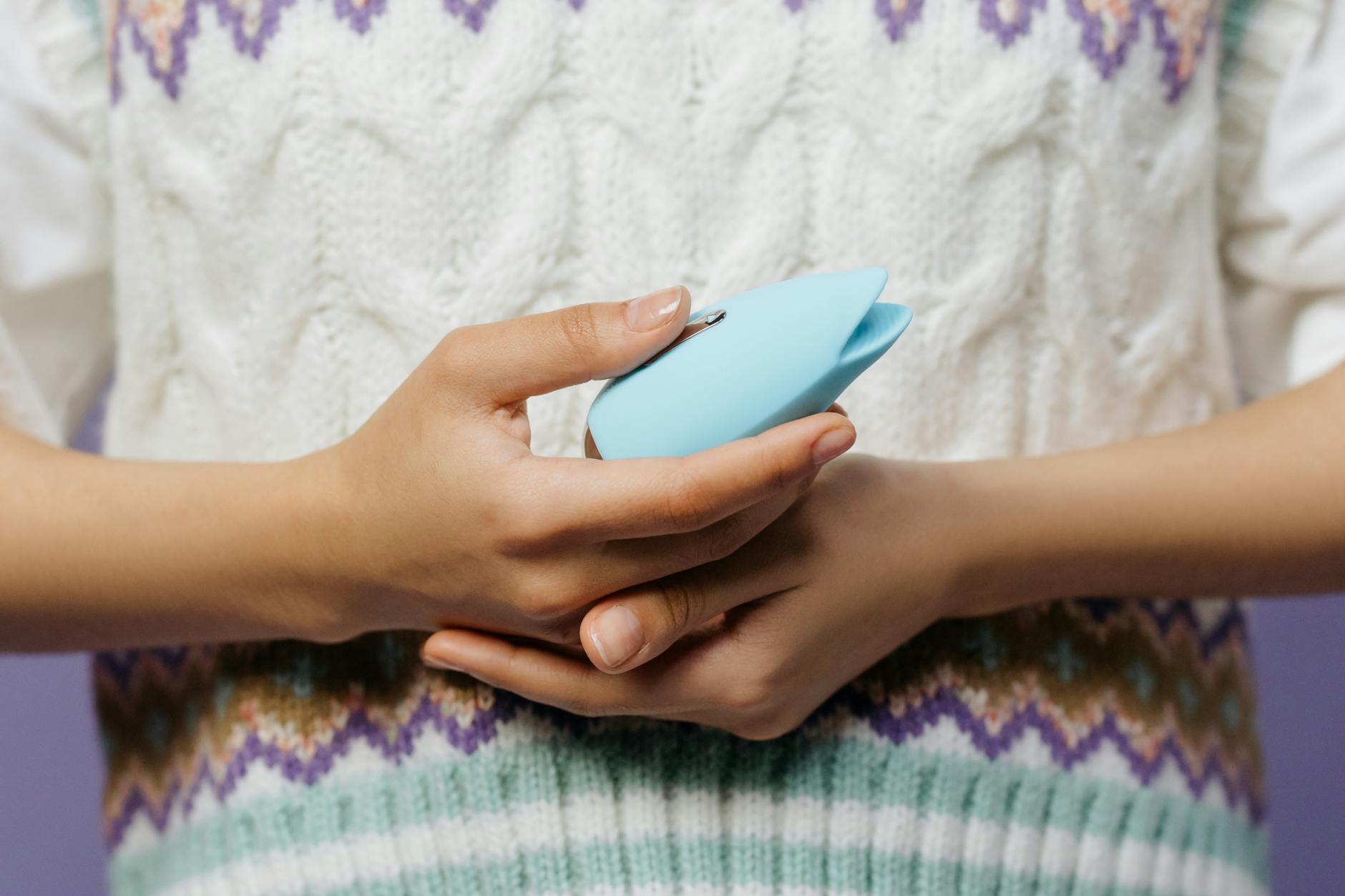
Photo by cottonbro studio on Pexels
Starting on the lowest settings and why it matters
This is where most people make their first mistake. They assume because they used a regular vibrator on medium or high before, they should start somewhere in the middle with a lemon clitoral vibrator. Don't. Start at pattern 1 or 2 if your device has patterns, or the absolute minimum intensity if it has variable power.
Thin tissue is more sensitive to pressure changes than it used to be. What feels gentle on setting 1 might feel overwhelming at setting 3. The suction sensation is already more intense than regular vibration, so there's no reason to compound it by jumping to a higher setting.
Place the lemon vibrator's opening flat against your clitoris and activate it. You're not looking for the strongest sensation. You're looking for the right sensation. There should be a gentle pulling, a rhythmic pressure that feels almost like soft suction (because that's what it is). If it feels too intense or uncomfortable, turn it down further. Your comfort and pleasure are the only metrics that matter.
Building intensity gradually if you want it
Once you're settled into a lower setting and aroused, you can experiment with moving up one setting every 2 to 3 minutes. Notice how your body responds. The advantage of a lemon sucker is that the sensation change between settings is subtle enough that you can build gradually without shocking sensitive tissue.
Many post-menopausal people find they never actually need the highest settings. The sweet spot is often settings 3 to 5 on a 10-setting device, producing an orgasm that feels more concentrated and satisfying than the broader sensation they got from traditional vibrators before menopause.
This isn't deprivation. It's precision.
Positioning for comfort and stimulation
With thin tissue, direct pressure from above (the most common position) can sometimes feel too intense. Experiment with angle. Try placing the suction cup slightly to one side of the clitoris. Try a gentler, more horizontal approach rather than straight-on pressure. Different angles activate different nerve clusters in the clitoral complex, and thin tissue sometimes responds better to indirect stimulation than to dead-center contact.
If direct contact becomes uncomfortable during a session, pause, move the lemon vibrator slightly, apply more lubricant, and resume. There's no rule that you have to maintain the same position for the entire experience. Let your body guide the tool, not the other way around.
Pelvic floor awareness during and after use
Here's something that changes after menopause: your pelvic floor muscles aren't supported by estrogen the way they used to be. This means they can become tight, rigid, or hard to relax. Ironically, this can reduce sensation during pleasure.
Before you use your lemon vibrator, spend 30 seconds simply breathing and consciously relaxing your pelvic floor. Imagine the muscles releasing, softening, opening. If you're not sure what that feels like, think about the relaxation that happens after you pee. That same release.
During use, keep checking in with that pelvic floor. If you notice tension building, pause the vibrator and breathe through it. Some tension during orgasm is normal and pleasurable. Rigidity and holding is not.
After use, take a few minutes to fully relax the pelvic floor again. This helps prevent the post-use soreness that can happen if the muscles stay contracted too long.
Lubrication strategies that actually work
I'll say it again because it's this important: water-based lubricant is not optional now. Your body used to produce enough lubrication during arousal to feel slick. That amount has dropped significantly, and thin tissue needs the slip that lubrication provides.
Apply lube to the vulva itself and to the opening of the lemon vibrator. During longer sessions, reapply every few minutes. The feeling of drying out mid-session isn't because you're not aroused enough. It's because the tissue surface area is smaller and lubrication evaporates faster than it used to.
Use enough that you can feel the glide, not so much that the suction becomes ineffective. If the lemon vibrator loses suction because there's too much lubricant, gently wipe the rim and reapply more carefully.
When to pause and what discomfort means
Stinging, burning, or sharp pain is a signal to stop. Minor tenderness that goes away within an hour is usually fine and relates to the friction of the session itself. But true pain means something's wrong. Either the tissue is too fragile that day, you need more lubrication, the pressure is too intense, or you need to see a gynecologist to rule out other causes like genitourinary syndrome of menopause (GSM), which is highly treatable with topical estrogen.
Discomfort isn't weakness. It's information. Honor it.
Solo use versus partnered use with thin tissue
Using a lemon clitoral vibrator alone gives you complete control over pressure, duration, and intensity. Many post-menopausal people prefer this because they can pause whenever they need to, adjust lubrication on the fly, and focus entirely on their own pleasure without managing a partner's experience simultaneously.
If you're using it with a partner, communication becomes even more important. Your partner should know that what felt comfortable last week might not feel comfortable this week, depending on hormones, stress, hydration, and factors that have nothing to do with arousal or attraction. A simple "lighter" or "pause" or "more lube" keeps the experience connected instead of clinical.
Many couples find that introducing a lemon vibrator actually improves intimacy post-menopause because it removes the pressure to perform or produce sensation on their own, and allows both partners to focus on connection.
How often to use your lemon vibrator
Regular use actually improves blood flow to the vulva and clitoris, which helps maintain sensitivity and tissue health. Using your lemon clitoral vibrator 2 to 4 times per week, or whenever you want pleasure, is perfectly healthy. This isn't overuse. It's maintenance.
Some people find that regular use makes sensation easier to access and orgasms easier to reach. Others find that a week or two between sessions feels better for their body. There's no universal rule. Your frequency should match your desire and comfort, not a checklist.
Common mistakes people make with thin tissue
The biggest mistake is assuming that because sensation feels different, it's worse. It's not. It's different. A second mistake is skipping lubrication or using too little because you think that means your body isn't working. Thin tissue simply requires external lubrication now. That's not failure. That's adaptation. A third mistake is staying on high intensity because you think you need to work harder to feel something. You don't. Thin tissue is more sensitive to pressure changes, not less. Lower settings often feel stronger.
When to see a specialist
If discomfort persists even with good lubrication and lower intensity, or if you're experiencing significant dryness, thinning, or loss of sensation despite regular use, talk to a gynecologist who specializes in menopause medicine. Genitourinary syndrome of menopause is real, common, and highly treatable with topical estrogen creams or systemic hormone therapy. These options work beautifully alongside a lemon vibrator to restore comfort and pleasure.
Your pleasure matters at every stage of your life. Thin tissue doesn't diminish that. It just means you deserve tools and knowledge that meet your body where it actually is.
Frequently asked questions
Is it normal for a lemon vibrator to feel uncomfortable on thin tissue at first?
Yes. The suction sensation is different from traditional vibration, and thin, sensitive tissue needs time to adjust. Start on the lowest setting, use plenty of water-based lubricant, and give yourself at least 3 to 4 sessions before deciding if it's right for you. Many people find that discomfort disappears once their tissue adjusts and they find the right settings and positioning.
Can I use a lemon vibrator if I have genitourinary syndrome of menopause (GSM)?
Yes, but ideally in combination with treatment. If you have moderate to severe dryness, pain, or tissue thinning, talk to your doctor about topical estrogen or other treatments first. Once you're being treated, a lemon clitoral vibrator works beautifully because the suction method is gentler on fragile tissue than traditional vibrators. The combination often produces better results than either one alone.
How much water-based lubricant should I use with a lemon vibrator on thin tissue?
Use enough that the vulva feels slick and the opening of the vibrator is well-lubricated. For most people, that's about a quarter-size amount per application, reapplied every few minutes during longer sessions. If the lemon vibrator loses suction, wipe the rim gently and reapply more carefully. It's a balance between lubrication and maintaining the seal.
Does hormone therapy change how I should use a lemon vibrator?
Yes. As estrogen levels rise through hormone therapy, your tissue thickens and your natural lubrication increases. You may find you need less external lubricant, can tolerate higher intensity settings, or prefer longer sessions. Give yourself a few weeks to adjust to each change, and listen to your body about what feels right now.
Can thin tissue heal or thicken on its own without hormone therapy?
Minimally. Regular sexual activity and arousal do improve blood flow and can slightly improve tissue quality, but estrogen is the primary driver of tissue thickness and elasticity. Hormone therapy (systemic or topical) is the most effective way to restore tissue quality. A lemon clitoral vibrator complements that healing by promoting arousal and regular use, but it doesn't replace treatment if you need it.
Is it okay to use a lemon vibrator every day on thin tissue?
Daily use is safe as long as you're not experiencing pain or irritation. Many post-menopausal people use their lemon vibrator daily without problems. If you notice soreness, irritation, or increased dryness, dial back to 4 to 5 times per week and make sure you're using plenty of lubricant and staying hydrated overall.
Menopause doesn't end your sexual life. It shifts it. A lemon clitoral vibrator is one of the best tools for navigating that shift with pleasure and confidence intact. The key is meeting your body where it actually is, not where you assume it should be.
If you have questions about what's right for your specific situation, reach out to us at Buy Lemon Sex Toy. We're here to help you find what works for you.