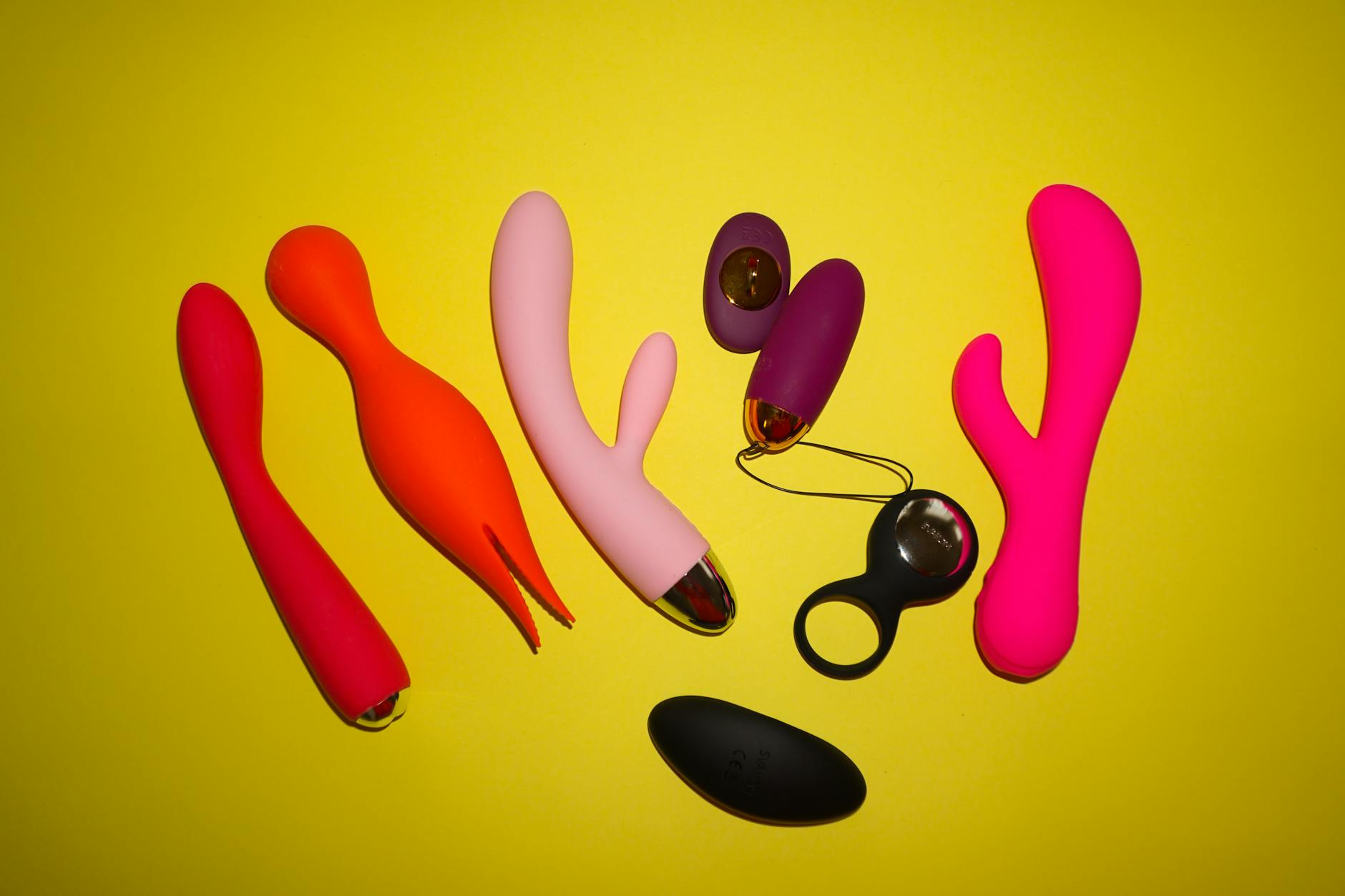
The thing nobody tells you about pleasure after 35
Something shifts. Not everything stops working, but the formula changes. What brought you to orgasm at 25 might feel like a waste of time at 40. That's not failure. That's information.
Here's what I've learned from decades of working with people navigating this exact transition: the switch to a lemon clitoral vibrator often coincides with some of the most satisfying orgasms people report having. Not because your body is fixed. Because you finally understand what it actually needs.
What actually happens to pleasure after 35
The most honest part first. Neurologically, your brain's pleasure centers don't lose capacity. But your body's scaffolding changes. Blood flow patterns shift. Nerve sensitivity reorganizes. Hormonal rhythms (whether you're heading toward perimenopause, managing hormonal contraception, or something else entirely) create different baseline arousal states.
You might notice orgasms take longer to arrive. You might find that the kind of stimulation that felt amazing five years ago now feels either too intense or not quite enough. You might experience numbness in some areas and hypersensitivity in others.
This is not a sign you're broken. This is your nervous system asking you to pay attention.
The good news: people over 35 often report more intense, full-body orgasms than they did in their twenties. Not because the technique got better. Because they stopped performing and started actually feeling.
Why lemon vibrators change the game after 35
Traditional vibrators rely on direct, sustained friction. At 25, that works. At 35-plus, the tissues of the clitoris often respond better to a different kind of stimulation altogether.
Lemon suction-based vibrators (like the Lem) work by creating gentle rhythmic suction rather than direct vibration. This matters because:
The stimulation is diffuse, not localized. Your clitoris has about 8,000 nerve endings, but they're not all in one spot. Suction engages the surrounding tissue and deeper nerve pathways. This produces sensations that feel less surface-level and more integrated.
You control the intensity differently. With a traditional vibrator, intensity is binary: on or off, speed one through ten. With a lemon clitoral vibrator, you control both the suction level and how much of your body you're bringing to the device. This gives you granular control that gets harder to access with straight vibration after your body changes.
Soreness and numbness become optional. If you've spent fifteen years with traditional vibrators, your tissue might feel slightly desensitized or even sore. Suction-based stimulation wakes up different neural pathways without the repetitive friction that causes that numb feeling.
The physiology shift you need to understand
After 35, estrogen patterns change for most bodies with ovaries (whether that's from perimenopause, hormonal birth control changes, or just aging). Lower estrogen means the skin of the vulva gets slightly thinner. Blood vessel density shifts. The pelvic floor muscles, which have been supporting pleasure and sensation, sometimes tighten.
With people who have penises, testosterone patterns change around this age too. Arousal might take longer. Sensation intensity can feel different.
A lemon vibrator works with these changes instead of against them. Because suction is less abrasive than direct vibration, tissue that's feeling more delicate often responds better. And because you can start at lower intensities and build gradually (which you can't really do with a traditional vibrator), you avoid the numb-out that happens when you jump straight to high speeds.
How to actually use a lemon vibrator if you've never tried one
Let's be practical.
Start with the lowest setting. With a device like the Lem vibrator, patterns one through three are your friend when you're new to suction. You'll feel the difference immediately compared to a traditional toy. It might feel weird. That's normal. Give it two or three sessions before deciding it's not for you.
Budget twenty to thirty minutes of warm-up. This is the part that feels slow and annoying and then becomes the best part. After 35, your body genuinely needs longer to build arousal. This isn't a deficit. It's a feature. Light touching, kissing, thinking about what actually turns you on (not what you think should turn you on). Most people find that once they stop fighting the twenty-minute timeline and just lean into it, the orgasms hit different.
Use lube. Always. Even if you don't think you need it. Water-based lube makes everything feel better with a suction toy. It creates a better seal, reduces friction, and honestly just makes the whole experience more comfortable. This isn't about being dry. It's about optimization.
Position matters. Traditional vibrators work best in certain angles and positions. Suction vibrators like lemon clitoral vibrators work best when you can control the angle and pressure yourself. Lying on your back or sitting up gives you more control than being on top. Experiment.
Stop chasing the orgasm you used to have. The biggest mistake people over 35 make is expecting the same sensation pattern they had at 25. After 35, orgasms often feel different. Sometimes shallower, sometimes more localized. Sometimes they build differently. Your job isn't to recreate the past. It's to discover what this version of your body actually likes. Spoiler: it's often better.
The mental shift that matters most
Here's what I see clinically. After 35, the people who report the best pleasure aren't the ones with perfect bodies or unchanged anatomy. They're the ones who stopped treating sex like a performance metric and started treating it like information gathering.
When you switch to a lemon clitoral vibrator and give yourself permission to explore slowly, something shifts mentally too. You're not trying to achieve a goal. You're paying attention to what actually feels good right now, in this body, at this age.
If you're with a partner, this also changes the dynamic. Instead of "I should be enjoying this," it becomes "here's what I'm actually discovering." That's a completely different conversation. And partners often find that watching someone really enjoy themselves (even if it looks different than before) is wildly more interesting than watching someone perform.
When to experiment with intensity
Most people new to lemon suction vibrators spend the first month on patterns one through four. This is right. Your tissue is relearning how to respond. Your nervous system is building new neural pathways. This takes time.
After about three to four weeks of regular use, you'll get a clearer sense of where your sweet spot actually is. Some people never go above pattern five. Some find they want higher intensities once their body knows what to expect. There's no correct answer.
The key is that you're choosing, not defaulting. With traditional vibrators, you basically have "on" (which is usually too much) or "off." With a lemon vibrator, you have nuance. Use it.
The conversation with your partner (if you have one)
If you're introducing a new toy because your body's changed, it helps to name that explicitly. "My body's asking for something different" is honest. "I want us to try something new" is collaborative. Both are true.
Most partners are actually relieved when someone takes ownership of their pleasure like this. It removes the pressure of them having to "fix" anything. It also usually means better sex for everyone, because you're now bringing actual knowledge about what works for your body instead of just hoping something lands.
If your partner's skeptical about toys, that's a separate conversation. Here's a bridge: most people find that having a partner's hands involved while you explore a new tool feels less isolating and more integrated. You're not replacing them. You're adding information.
What to actually expect in the first month
Week one: it will feel strange. That's fine. Your clitoris has spent years getting stimulated one way. Suction feels different. Keep going.
Week two: you'll probably have a session that actually works. You'll think "oh, I get it now." That's your tissue and nervous system catching up.
Week three: you'll start noticing the difference between patterns and what your body actually wants. You'll probably discover that lower is sometimes better. That warm-up time actually matters. That your pleasure looks different than you thought.
Week four and beyond: most people find they prefer a lemon clitoral vibrator and traditional toys for different things. Or they find they use lemon vibrators as their primary tool and barely touch the old ones.
The point: don't decide in week one. Give your body at least a month to adapt and actually feel what this tool offers. Your orgasms after 35 might be the best ones you've had. But you have to be patient enough to find out.
The bigger picture
After 35, pleasure isn't worse. It's just different. And different often means better because you finally know yourself. A lemon vibrator isn't magic. But it's specifically designed for the way your body actually works now, not the way it worked at 25. That alignment is what changes everything.
Your pleasure matters. Your body deserves tools that actually fit. That's not indulgent. That's just smart.
Frequently asked questions
How long does it actually take to orgasm with a lemon vibrator when you're over 35?
Realistically, between fifteen and thirty minutes of combined warm-up and direct stimulation. This sounds like a long time if you're used to five-minute encounters. But most people find that once they stop fighting the timeline and actually lean into the extended warm-up, the orgasms are deeper and more satisfying. Your body genuinely needs time to build arousal after 35. Working with that instead of against it changes everything.
Can a lemon clitoral vibrator cause nerve damage?
No. The suction mechanism is significantly gentler than direct vibration. You're not going to damage your clitoris with a lemon vibrator, even with regular use. What some people experience is temporary sensitivity or mild soreness if they use it intensely every single day without breaks. Give yourself one or two rest days per week and you won't have that issue.
Is it normal for a lemon vibrator to feel numb or not intense enough at first?
Completely normal. Your tissue is used to direct vibration. Suction stimulates different nerve pathways. It might take a week or two for your body to register that as "stimulation." Then suddenly it clicks and you realize it's actually more intense than you thought, just different. Stick with it through week two before deciding it's not working.
How do you use a lemon vibrator if you have dryness issues?
Lube is non-negotiable. Water-based lube works best with silicone toys. The combination of suction plus lubrication creates a seal that feels amazing and solves the friction problem that makes dryness feel uncomfortable. If you're dealing with ongoing vaginal dryness (especially perimenopause or menopause), consider also talking to a doctor about whether topical estrogen might help. But for the toy itself: lube, always.
What if your partner thinks a lemon vibrator means they're not enough?
That's a relationship conversation, not a pleasure conversation. Frame it around what your body actually needs now: "I've noticed my body responds better to this kind of stimulation, and I want us to explore it together." Most partners actually feel relieved when their partner takes ownership of pleasure like this. It removes the pressure of them having to intuit what's working. If your partner continues to make it about them, that's the actual issue to address, and it's probably worth some couples counseling.
Can you use a lemon vibrator if you're on hormonal birth control?
Absolutely. Birth control affects arousal and sensation for some people, but it doesn't change how toys work. If anything, people on hormonal birth control sometimes find that a lemon clitoral vibrator addresses some of the sensitivity or lubrication changes that birth control causes. Same rules apply: warm-up, lube, start low, explore.
What's the difference between a lemon vibrator and other suction toys?
Design and intensity range mostly. The Lem from Hello Nancy is specifically engineered for clitoral pleasure with graduated suction levels that let you dial in exactly what your body wants. Other suction toys vary in how many patterns they have, how quiet they are, and what intensity range they offer. The best toy is the one that fits your body and your actual preferences, not what's trendy.
Final thought
After 35, your body isn't declining. It's evolving. A lemon vibrator is just a tool that meets your body where it actually is now, not where it was fifteen years ago. How to switch to a lemon vibrator after using traditional toys covers the practical transition. But this post is about understanding why the switch often feels like coming home. Because it is. Your pleasure matters, and you deserve tools that actually work with your body, not against it.
If you want to explore more about how your body's changed and what that means for your pleasure, why lemon vibrators require less pressure on sensitive tissue digs deeper into the physiology. You're not broken. You're just finally asking the right questions.