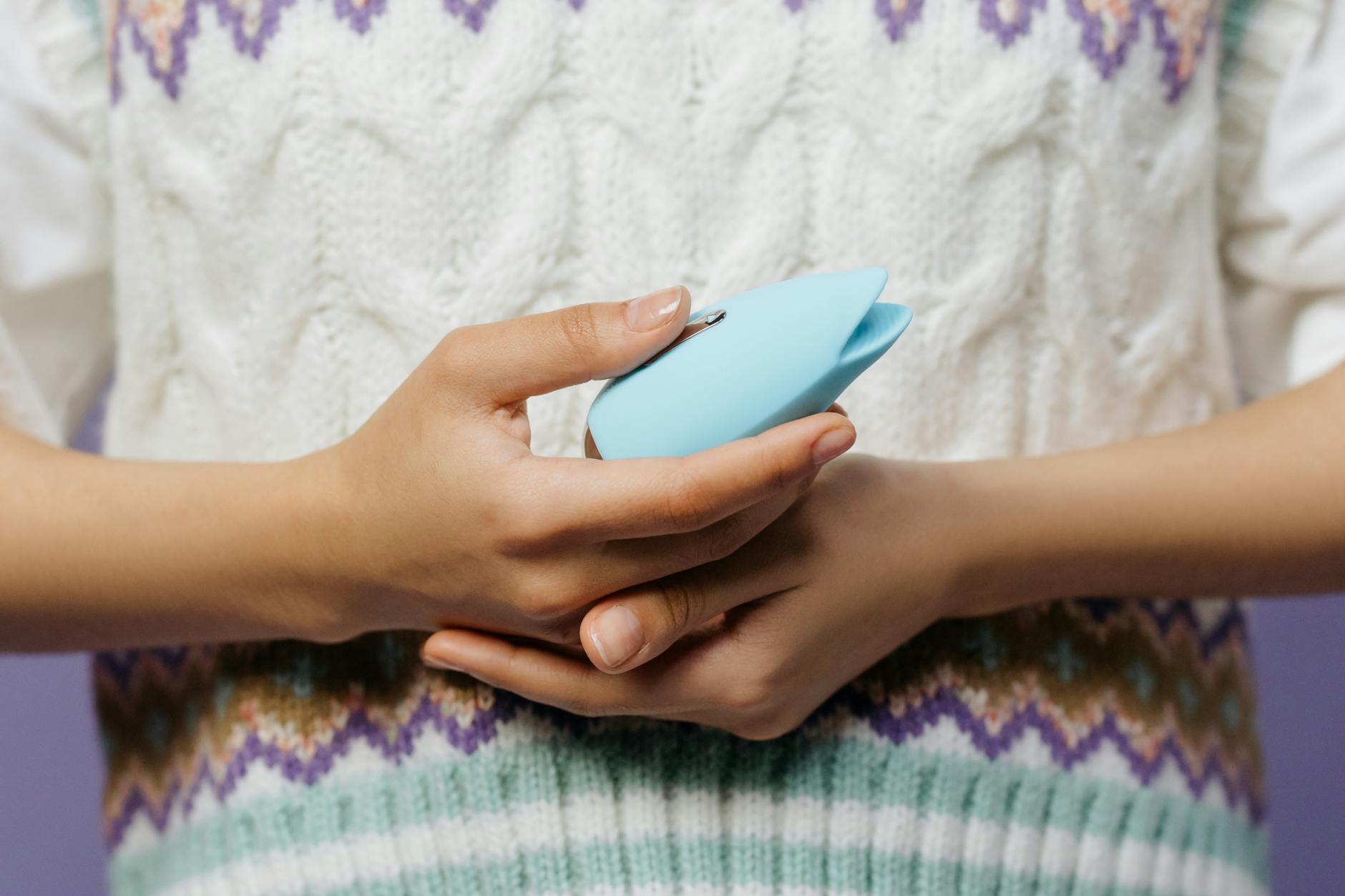
Let's talk about what nobody tells you about sex after a breakup
Your body doesn't recognize itself anymore. Not because it's changed physically, but because the context is gone. For years, maybe decades, pleasure existed in a relational space. Someone else's touch, rhythm, timing, expectations. Now there's silence.
The temptation is to think that rebuilding solo pleasure is about finding a substitute. It's not. It's about remembering that you had sensation before you had a partner, and you can have it again.
The first wall: guilt and weirdness
After a long-term relationship ends, many people feel a strange resistance to solo pleasure. Guilt is part of it. Grief is part of it. But the biggest part is usually just unfamiliarity. Your pleasure became entangled with someone else's presence. Without that person, your body feels foreign.
That foreignness is real and it's temporary. This is where a lemon clitoral vibrator becomes useful not because it's a magic fix, but because it separates you from old patterns. It doesn't remind your body of your ex. It reminds your body of itself.
The suction sensation of a lemon vibrator is distinctly different from penetrative sex or hand stimulation. It's novel. And novelty is exactly what helps your nervous system reset.
Why clitoral suction works better when you're starting from scratch
After a breakup, many people notice their arousal feels muted. Not broken. Just quieter. This happens for good reasons. Your brain is in a protective state. Desire requires a kind of vulnerability, and you're rightfully cautious.
Lemon vibrators work particularly well in this situation because they don't demand the same kind of engagement as traditional vibration. You're not trying to find the right angle or pressure. The suction does the work. You can lie still and receive sensation without having to perform or think strategically about what should happen next.
This matters more than you'd think. Grief and trauma live in the body as tension. When you're trying to rebuild pleasure, you need a tool that lets your nervous system relax first and feel later. Clitoral suction does that.
The logistics of solo pleasure when you're grieving
Here's what I recommend to clients rebuilding their pleasure practice after a long-term relationship:
Schedule it like anything else. Not because pleasure should feel like a chore, but because your brain needs permission. Carve out 20 minutes on a Tuesday afternoon. No partner, no distractions, no goal except sensation. Your nervous system needs to know this is safe and expected.
Use lube generously. Grief and stress tank natural lubrication. Water-based lube isn't a failure. It's a tool that removes one variable from the equation and lets you focus on what your body actually needs.
Start at the lowest settings. A lemon vibrator's suction has multiple intensities. Begin at pattern one. Your body needs time to remember that pleasure is safe. Gentle, consistent sensation rebuilds that safety faster than intensity does.
Set a timer, then ignore it. Knowing you have 20 minutes without interruption does something powerful to your nervous system. You can stop whenever you want, but the boundary removes the background anxiety of "how long is this going to take."
The emotional piece (which is half the puzzle)
Breakups rewire your sense of desire. For years, your brain might have been primed for pleasure by someone else's attention. That feedback loop is gone. You need to create a new one that lives entirely in your own body.
This takes patience. Your first few sessions with a lemon clitoral vibrator might not feel amazing. They might feel neutral or even slightly sad. That's normal. Your body is grieving and learning at the same time.
The goal isn't an explosive orgasm. The goal is sensation. Presence. A small moment where your body says, yes, I'm still here, I still feel things.
Orgasm might come weeks or months in. And that's completely fine. Many of my clients report that their first solo orgasm after a breakup feels different from orgasms with a partner. Less explosive, maybe. More grounded. More theirs.
What you'll learn about yourself in the process
Rebuild solo pleasure and you'll discover things about your body you never knew. Maybe you need longer warm-up time than your partner ever gave you. Maybe you prefer patterns and rhythms that feel nothing like partnered sex. Maybe your most satisfying sensation comes from something completely unexpected.
This information is valuable not because it might help a future partner, but because it's about you. Your body gets to be the primary expert in its own pleasure. For probably the first time in years.
Many people report that rebuilding solo pleasure practice after a relationship ends feels like an act of self-respect. Because it is. You're saying to your body: your pleasure matters whether or not someone else is here. Your sensation is valid. Your desire is worth protecting.
The timeline is not linear
Some weeks you'll use your lemon vibrator regularly. Other weeks you won't think about it. Both are okay. Grief and healing don't move in a straight line. Your desire won't either.
What matters is that the tool is there when you need it. A lemon clitoral vibrator doesn't expire. It sits quietly until you're ready. And when you are, it's exactly what you left it.
FAQ: Solo pleasure after a breakup
How long after a breakup should I wait before using a vibrator?
There's no magic number. Some people feel ready within weeks. Others need months. The real question isn't time elapsed, but whether you're using solo pleasure as a way to reconnect with yourself or as a way to numb out. If you're using it to escape pain, wait. If you're using it to remember that your body still belongs to you, you're ready.
Will using a vibrator alone make it harder to have pleasure with a future partner?
No. If anything, the opposite is true. Knowing your own body's language, your preferred intensity, your actual desires instead of accommodated ones, makes partnered pleasure more honest and more satisfying. You're not trying to fit yourself into someone else's rhythm. You already know what you need.
Is it normal to feel sad or empty the first few times?
Completely normal. You're not broken. Your body is processing grief and rebuilding sensation at the same time. That's complicated work. Expect that some sessions will feel good and others will feel neutral or even sad. Keep going anyway. Consistency rewires your nervous system.
Should I use a lemon vibrator differently alone than with a partner?
Yes and no. The technique is the same. The context is totally different. Alone, you're not managing anyone else's experience. You don't need to perform. You can take as long as you want, stop whenever, explore without commentary. Let your body be completely selfish. That's the whole point.
What if I'm not interested in orgasm right now?
Then don't chase it. Use your lemon vibrator for sensation only. Feel the suction, notice how your body responds, stay present. Orgasm will come when your nervous system feels safe enough. Pushing it will only create more resistance.
Can I use a lemon vibrator with someone new eventually?
Absolutely. Some couples find that introducing a clitoral vibrator into partnered sex actually deepens communication because it removes the pressure for your partner to "do it right." Your pleasure becomes collaborative instead of dependent. That's a healthier foundation than many long-term relationships ever build.
The bigger picture
After a long-term relationship ends, your body needs to learn that pleasure is possible on its own terms. A lemon vibrator isn't a replacement for connection. It's a way to rebuild the relationship you have with your own sensation, your own desire, your own body.
That rebuilding is real work. It's also one of the most grounding, self-respectful practices you can undertake. Your pleasure matters. Your body deserves attention. And you get to decide what that looks like now.
If you want to talk through how to navigate this transition or have questions about building a sustainable pleasure practice, reach out. That's what I'm here for.