Here's the thing nobody tells you
Your body will change. Multiple times. It's not a failure. It's not a sign that pleasure is ending. It's information that you're alive and moving through time.
But there's a gap between knowing that intellectually and feeling okay when it happens. A shift in how your clitoris responds to touch. Breast tissue that feels different. The way your pelvic floor holds tension. Skin texture. Arousal speed. All of it real, all of it manageable once you know what to expect.
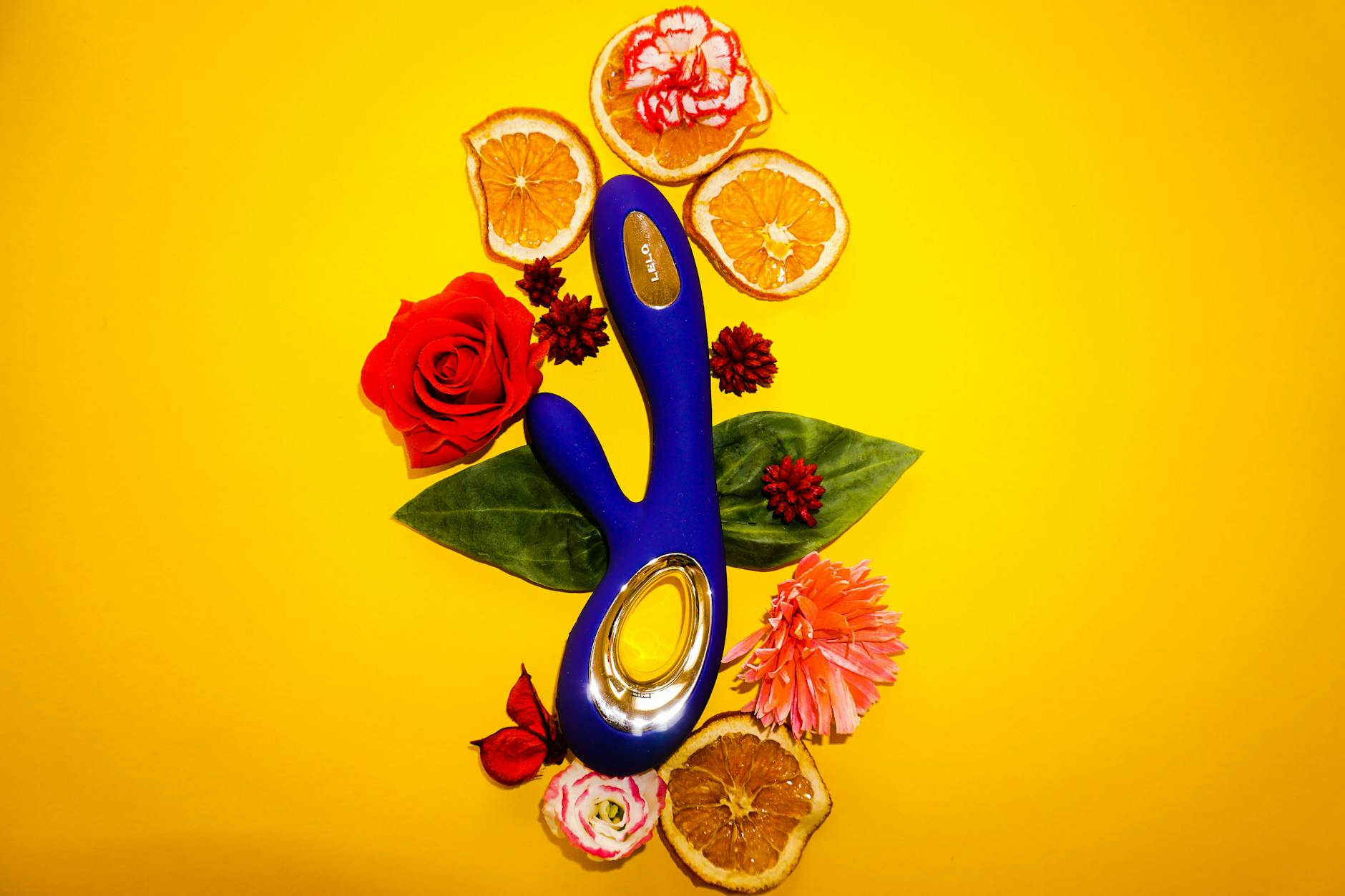
Here's what I see most often in my practice: people panic about their changing bodies and stop exploring pleasure altogether, assuming the old ways won't work anymore. Then they're surprised when the right tool, used with the right expectations, opens things back up. A lemon vibrator like the Lem isn't magic. It's just smarter design for bodies that are in motion.
Why your clitoris responds differently over time
Your clitoris doesn't shrink or disappear. But the tissue surrounding it changes thickness and sensitivity depending on hormones, blood flow, and how much nerve stimulation it's been getting. That last part matters. Use it or lose it isn't totally false, it's just usually framed wrong. It's not that pleasure vanishes. It's that your sensory map needs remapping when your body shifts.
Three main phases where this shows up: perimenopause and menopause (obvious), but also after pregnancy if you're healing from birth trauma, and during periods of extended stress when your cortisol is high and your sexual nervous system is basically offline.
In all three cases, your tissue might feel less responsive to direct pressure. Sounds like a problem until you understand it's actually a shift in which receptors are most active. The suction-based stimulation that lemon vibrators provide bypasses the pressure-sensitivity question entirely and instead targets the deeper nerve clusters that respond to pull and release. It's not worse. It's just different.
The anxiety piece nobody names
Let's be clear: the physical shift is maybe 30% of the equation. The other 70% is shame. Worry that your partner will notice. A vague sense that you should just accept that this phase of your life is less pleasurable, that you're being vain for caring. Maybe guilt that you want something different now when the old toys worked fine before.
All of that is totally normal, and also completely in your way. Pleasure is a skill, not a trait. You're not broken because your body changed. You're just in a new skill phase, and you need new information. That's it.
Here's what usually helps: separate the physical work from the emotional work. Your body needs different input. Your mind needs permission to keep exploring. They're not the same conversation, but they happen at the same time.
What changes when you switch to a lemon clitoral vibrator
The Lem and other lemon vibrators work through air-pulse suction rather than direct vibration. Why does that matter for a changing body?
Direct vibration sends continuous pressure into tissue. For some bodies at some times, that's perfect. For others, especially when tissue is thinner or more sensitive after hormonal shifts, it can feel too intense, numb, or even uncomfortable. Suction works differently. It creates a gentle pull and release pattern that engages your entire clitoral network, not just the surface.
For someone experiencing changes, this usually means: less numbness, faster arousal, and the ability to build sensation gradually instead of jumping straight to intensity. You're not losing the ability to have strong orgasms. You're just accessing them through a different pathway.
Start on the lowest setting. This is non-negotiable. You're not being cautious or timid. You're gathering information. Your body might surprise you with how quickly sensation builds on lower settings now. That's not weakness, that's efficiency.
The logistics of using a clitoral vibrator with an anxious body
Five things that actually help, not in the vague wellness sense but in the practical, tonight sense.
Warm up first. Blood flow takes longer to arrive when you're anxious or when your body is in a new hormonal phase. Spend 10-15 minutes on non-genital touch. Your neck, inner forearms, the inside of your wrists. Let your nervous system know this is safe before you start.
Lubrication is your friend, not a sign of failure. Water-based lube works great with silicone toys and makes everything easier. You're not dry because something's wrong. You're lubricated because you're being smart.
Position matters more than you think. If you usually lie on your back and that position now creates tension in your pelvic floor, try reclining at an angle or lying on your side. Your body is giving you information. Listen to it.
Use a timer for your first session, not to rush, but to take pressure off. Anxiety makes orgasm harder. Knowing you have 20 minutes and then you're done removes the "am I taking too long" thought spiral. That spiral kills arousal faster than anything else.
Have a plan for after. Some people need stillness post-orgasm, some need movement, some need to cry a little because emotions come with pleasure sometimes and that's okay. Know what you need before you start so you can actually enjoy the experience.
When your partner is anxious about your body changing
Here's what I hear in couples therapy: one person's body shifts, they tell their partner, and suddenly the partner is MORE anxious than the person whose body actually changed. It's coming from care, usually, but it lands as doubt.
If your partner is nervous about exploring lemon vibrators or other tools with your changing body, this might help: reframe it as an upgrade, not a problem. You're not settling or compromising. You're getting smarter about what works now. That's something to be excited about.
Introduce the tool without making it a whole thing. "I found something that feels really good right now, want to see?" is enough. You don't need a conversation about your hormones or tissue thickness unless you want one. Sometimes the thing that builds trust is just: here's something new, it works, and we're exploring together.
What actually stops working (and what doesn't)
Your body can have incredible orgasms at 25, at 45, at 65, at 85. The neural pathways for pleasure don't retire. The clitoral nerve endings don't quit.
What sometimes changes: the time it takes to get there, the rhythm that works best, and which spots feel best right now. Not worse. Different. And different is workable.
If something that used to feel amazing now feels nothing or uncomfortable, don't assume you're broken. Consider that the input has changed, not the output. A lemon vibrator's suction-based design often solves this because it's accessing a different sensory pathway entirely.
The conversation with yourself
The hardest part of body changes isn't physical. It's the story you tell yourself about what they mean. That you're past your prime. That this is the new normal and it's diminished. That wanting pleasure at your age is somehow not allowed.
All false. Your body is adapting. Your pleasure deserves the same attention and care you give to everything else changing in your life. That's not vanity. That's self-respect.
Frequently asked questions
Can I use a lemon vibrator if I'm uncomfortable with my body right now?
Yes. In fact, that's when it's most useful. A lot of people avoid pleasure when they're anxious about their body, which creates a cycle where they disconnect further. Using a tool specifically designed for shifting anatomy is a way of saying "I'm taking myself seriously right now." That act alone changes the nervous system's relationship to your body.
Will a lemon clitoral vibrator feel different on my aging skin?
Not in a bad way. Your skin might feel more delicate or sensitive, which actually means you might find lower settings more enjoyable now. The Lem's suction approach is gentler on delicate tissue than traditional vibration, which is actually an advantage when your skin is thinner or more sensitive.
What if I've never used a vibrator and I'm anxious about starting now?
Start solo. Zero pressure, zero performance. Just exploration. The lemon clitoral vibrator buying guide walks through different types if you want to understand your options first. But honestly, starting with a proven design like the Lem removes a lot of decision fatigue.
Can my partner use a lemon vibrator with me if I'm anxious?
Absolutely, and often it's actually easier emotionally. Having a partner involved takes away the solo-performance pressure. But make sure you've had a conversation beforehand about what you want. "I want to try this because my body's changing and this design works better for me now" is a very different conversation than "we need to use this because something's wrong."
What if my sensitivity is really low right now?
Start lower, go slower, and give yourself permission for it to take 30 minutes or more. That's not failure. That's your new timeline. Use this as an opportunity to explore different patterns and intensities. You might discover something totally new that becomes your favorite.
How often should I be using a clitoral vibrator when my body's changing?
As often as you want, honestly. More frequent use often helps your body acclimate faster because you're consistently signaling "yes, this is a priority." Some people find that using a vibrator 2-3 times a week helps them feel more connected to their body during a transition phase.
What actually matters
Your body changes. That's not a bug in the system, it's how you know you're still here, still living. Your pleasure matters just as much at 35 as it did at 25, and just as much at 55 or 75. A lemon vibrator is just a tool that adapts with you. You're the thing that matters. Use the tool. Explore. Notice what works now. Repeat.
If you want to talk through what might work best for your specific situation, get in touch. That's what we're here for.