Let's name what's actually happening
You've spent years having penetrative sex. It worked. And then one day it didn't. Maybe it started as mild discomfort and became sharper. Maybe it happened suddenly after a hormone shift, or after a pelvic procedure, or just because bodies change. Now penetration stings or burns or feels like something is blocking the way. Your partner wants to help. You want to want it. And instead you're avoiding sex altogether because the equation has become pain plus guilt plus frustration.
Here's what I want you to know: this doesn't mean your sexual life is ending. It means it's changing shape.
Why penetration pain doesn't equal the end of pleasure
Penetration involves the vaginal canal and pelvic floor. The clitoris is entirely separate from that system. Let me say that again because it's the detail that changes everything. The clitoris has its own nerve supply, its own arousal pathway, and its own capacity for orgasm that has nothing to do with what's happening inside the vagina.
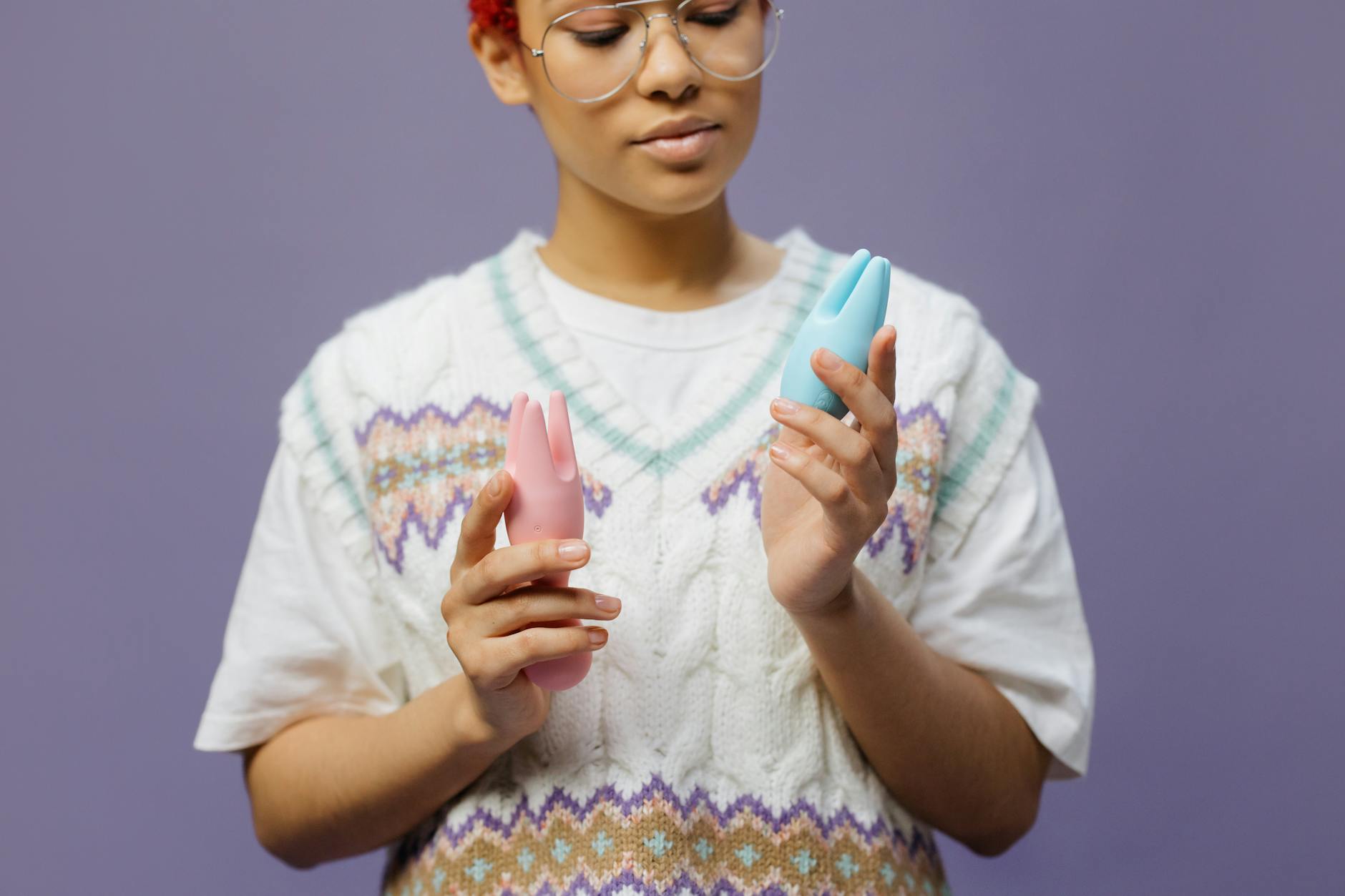
When penetration becomes painful, most couples stop having sex altogether. They don't mean to. It just becomes easier to avoid the whole thing than to face the pain and the awkwardness together. But there's a middle path. A lemon clitoral vibrator like the Lem works on the external clitoris using suction and gentle pulsing patterns, which means pleasure is entirely possible even when penetration is off the table.
Something shifts when you separate clitoral stimulation from penetration. You stop bracing for pain. Your body doesn't contract defensively. And often, for the first time in months or years, you can actually feel arousal building without fear.
The three most common reasons penetration becomes painful
Pelvic floor tension. Ironically, pain leads to bracing, which leads to more tension, which deepens the pain. It's a feedback loop. A lemon sucker breaks that loop because it requires zero penetration and zero pelvic floor involvement. You're just sitting with sensation happening to the external clitoris. The pelvic floor learns to relax.
Tissue thinning and dryness. Hormonal changes, medications, aging, and even prolonged stress can thin vaginal tissue and reduce natural lubrication. Again, clitoral vibrators skip this problem entirely. There's nothing being inserted.
Scar tissue or adhesions. If you've had pelvic surgery, endometriosis, or past infection, scar tissue can make penetration genuinely uncomfortable. This sometimes needs pelvic floor physical therapy to address. But while you're working with a specialist, a lemon clitoral vibrator lets you explore pleasure without triggering pain.
The point: knowing why penetration hurts helps, but it doesn't solve the isolation. Using a lemon vibrator while you sort out the physical piece gives you both something to do together that feels good.
How to introduce it as a couple
Here's what usually happens. One person says, "My body doesn't want penetration right now." The other person hears, "You can't have sex with me." Both people feel rejected. You end up avoiding the conversation entirely.
Flip the script. Instead of framing it as what's off the table, frame it as what's on the table. "I want to explore what feels good right now. Can we try this together?" A lemon vibrator becomes a tool you're both curious about, not a workaround for a broken system.
Start by looking at it together. No pressure to use it that moment. Just hold it, read about it, make it normal. Many couples find that the conversation itself, done with curiosity instead of defensiveness, rebuilds more intimacy than months of avoiding sex.
Your first session: the actual mechanics
Start solo if you want. There's less pressure that way.
Begin with clean hands and a clean device. If you're using one of the lemon clitoral vibrators, you'll notice it has a few intensity levels. Start at level one. You're not looking for orgasm right now. You're relearning what sensation feels like without pain attached to it.
Position yourself somewhere comfortable. Most people find sitting or lying back works better than being fully reclined. Apply water-based lubricant around the clitoral area. This isn't because something is wrong with your body. It's because the suction works more smoothly and feels more comfortable with a little slip.
Place the vibrator gently on the clitoris. Don't apply pressure. Let the suction do the work. Try each intensity level for 30 seconds or so and notice what feels good. You might find that level two is your sweet spot, or you might prefer something gentler. There's no "right" level. There's only what your body is telling you right now.
If nothing happens in 10 minutes, that's fine too. Your nervous system might still be learning that this is safe. Sensation sometimes takes a few sessions to build.
The partner version: how to be present without pressure
If your partner wants to be in the room, here's what actually helps:
Sit next to you or behind you. Not between your legs performing a service, but alongside you. Kiss your neck. Hold your hand. Talk. Ask what feels good. The lemon vibrator isn't a replacement for them. It's a way of them being able to participate in your pleasure without asking your body to do something it can't do right now.
Many partners feel useless when penetration stops. This gives them something to do that's genuinely connected to your pleasure. And the pressure lifts from both of you because you're not trying to force something that isn't working.
What usually happens over the next few weeks
Week one: You might feel a little numb or disconnected. That's normal. Your nervous system is used to bracing against pain. Pleasure without the bracing feels weird.
Week two: Sensation starts coming back. You notice different intensity levels feel different. You might find yourself actually anticipating it instead of dreading sex.
Week three and beyond: This is where it gets interesting. Some people report that clitoral pleasure alone actually feels more intense than it did before, because there's no pain noise drowning it out. Others find that once they've rebuilt confidence in their body, they can start trying gentle penetration again, knowing they have a way to pleasure themselves that doesn't trigger pain.
When to also see a specialist
A lemon vibrator can help you rebuild connection and pleasure right now. But if penetration is consistently painful, it deserves a real diagnosis. See a pelvic floor physical therapist or a gynecologist trained in sexual medicine. Pain is your body's way of saying something needs attention, and you deserve to know what.
Some causes of pain are treatable quickly. Others take longer. But knowing what you're dealing with removes a lot of the shame and guessing.
The deeper shift
Here's what I see happen most often. A couple assumes that painful penetration means the end of their sex life. Instead, it becomes the beginning of a completely different one. They discover that pleasure without penetration can be just as satisfying. They learn to communicate about touch in a way they never did before. They rebuild intimacy through curiosity instead of performance.
A lemon vibrator is a tool. But what it really does is give you permission to explore pleasure on your terms, in your body's timeline, without the guilt.
People also ask
Can using a lemon vibrator help if I'm also dealing with vaginismus?
Yes. Vaginismus is involuntary pelvic floor tightening, usually in response to fear of pain. A lemon clitoral vibrator avoids the trigger entirely because nothing is being inserted. The relaxation and pleasure often help the nervous system reset over time. But you'll still benefit from working with a pelvic floor physical therapist who specializes in vaginismus, because the tension itself needs to be addressed.
Will lemon vibrators make the pain worse if I use them too much?
Not in the way you're thinking. You won't "overuse" the clitoris into more pain. But like any stimulation, if you're using it for hours a day trying to force an orgasm, your tissues can get tender. Normal use, a few times a week, is fine. Listen to your body. If something feels uncomfortable, take a break.
Can my partner feel what I'm feeling when I use a lemon vibrator?
Not directly. But they can see your reactions, feel your body relax, hear you. That's often more intimate than they expect. The lemon suction is quiet, so you can actually talk during it. Many couples find that's when the best conversations happen.
What if the lemon vibrator feels too intense for my sensitive clitoris?
Start at level one. Seriously, stay there for a few sessions. Your nervous system needs to learn that touch is safe. You can also try applying a thin layer of fabric between your skin and the vibrator if it feels too direct. Some people use a thin piece of cotton or their underwear. It softens the sensation slightly.
How long until using a lemon vibrator helps with penetration pain?
It depends on what's causing the pain. If it's pelvic floor tension, you might notice relief within a couple of weeks as your muscles learn to relax. If it's tissue changes or scar tissue, that can take longer, and you might need additional treatment. But the pleasure and intimacy building often happens immediately, independent of whether penetration becomes comfortable again.
Should I try penetration again after using a lemon vibrator, or keep doing clitoral only?
That's between you and your body. Some people find that after a few weeks of painless pleasure, they want to cautiously try penetration again, knowing they have a way to pleasure themselves that doesn't require it. Others find that clitoral stimulation is actually what they prefer. Your sexuality doesn't have to look like it did before. It just has to feel good.