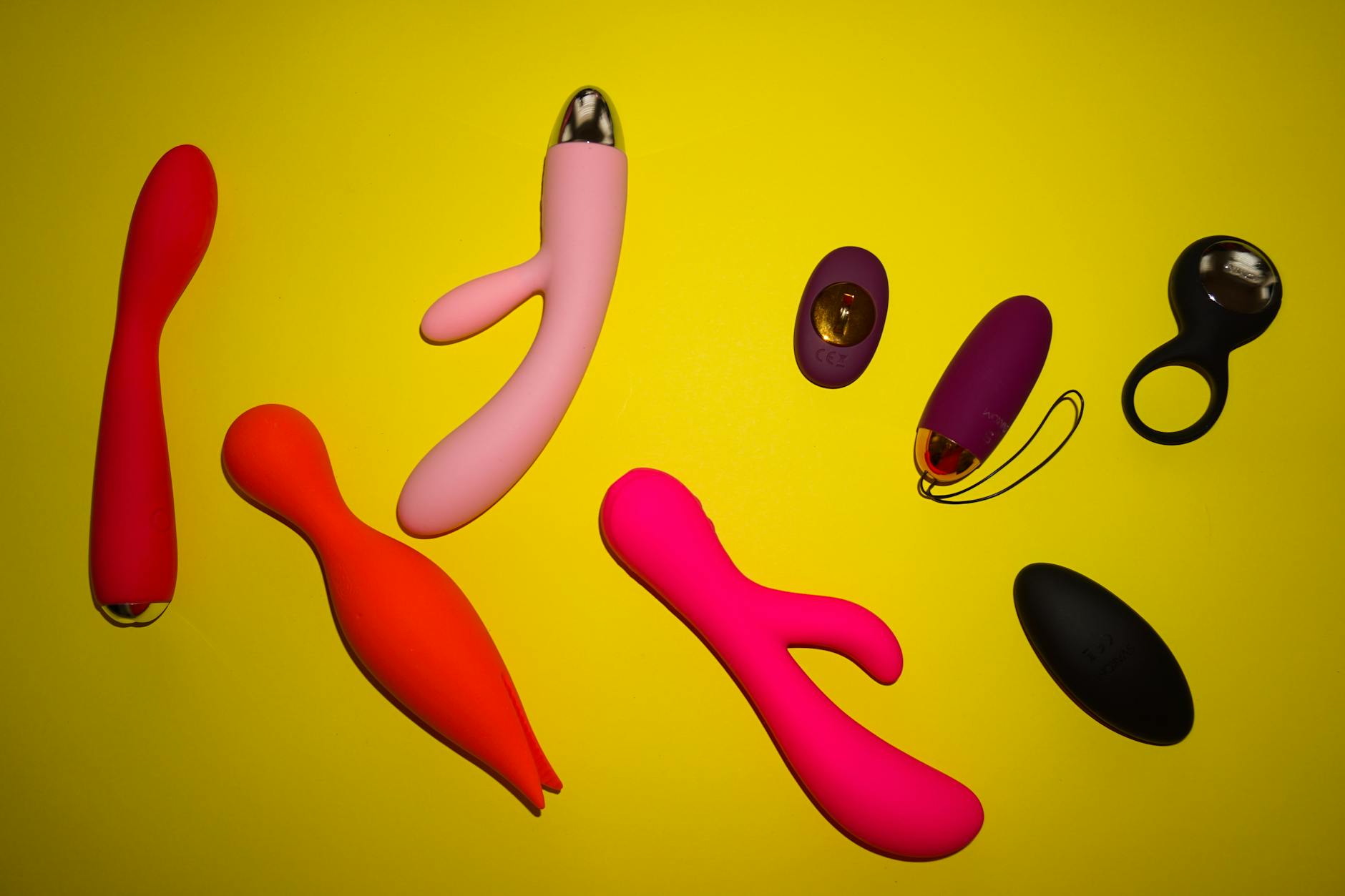
Can Lemon Vibrators Cause Pelvic Floor Dysfunction?
Let's get real: yes, vibrators can contribute to pelvic floor tension if you're not using them mindfully. But here's the reassuring part: lemon clitoral vibrators and other adult toys don't cause dysfunction on their own. Tension, overuse, and misunderstanding how your pelvic floor works are the actual culprits. Once you know what to watch for and how to adjust, you can use lemon vibrators safely for years without issue.
I work with couples navigating intimacy changes, and pelvic floor tension is one of the most overlooked problems people bring to me. They blame the toy. They blame themselves. Rarely do they blame the pattern of use or the anxiety that's making them grip.
How vibrators interact with your pelvic floor
Your pelvic floor is a hammock of muscle that supports your bladder, bowel, and reproductive organs. It's not supposed to be contracted all the time. When you use a vibrator, especially during arousal, your pelvic floor naturally contracts rhythmically in response to stimulation. That's normal and healthy.
The problem emerges when two things happen simultaneously: you're gripping intentionally (often without realizing it) and you're using intense vibration repeatedly without breaks. The lemon sucker design is actually gentler than many vibrators because it works through suction rather than raw vibration. But even a gentle device can create tension if you're clenching your pelvic floor the whole time.
When tension persists, it can lead to symptoms: pain during intercourse, difficulty with penetration, or even urinary urgency that has nothing to do with a UTI. Some people notice they can no longer relax the pelvic floor fully, even when they're not using a toy.
The anxiety connection (the part doctors often miss)
Here's what I see clinically: people with pleasure anxiety or a history of sexual shame tend to unconsciously tighten their pelvic floor during arousal. Using a lemon vibrator for the first time, especially if there's anxiety involved, can lock this tension into place. Then each time you use the toy, you repeat the pattern. By week three, your pelvic floor has learned to stay braced.
This is not a toy problem. It's a nervous system problem wearing a toy-shaped disguise. The vibrator is just the context in which the tension becomes noticeable.
If you have a history of trauma, pelvic pain, or anxiety disorders, pay extra attention to your baseline pelvic floor state before you start experimenting with any sex toy, including lemon clitoral vibrators or lemon adult toys.
Signs you might be developing pelvic floor tension
Watch for these red flags:
Pain or pressure during use. Discomfort should never be your baseline. Intensity is fine. Pain is your stop sign.
Difficulty relaxing afterward. Your pelvic floor should feel soft and neutral after you finish. If you feel sore, achy, or tight the next day, you've overtightened.
Changes in urination or bowel habits. Sudden urgency, frequency, or difficulty emptying fully can signal pelvic floor tension.
Pain during penetration with a partner. If penetrative sex became uncomfortable after you started using lemon vibrators, tension is the likely culprit.
Inability to orgasm without vibration. This is more complicated and deserves its own conversation, but chronic vibrator use without pelvic floor relaxation can rewire your arousal pattern.
None of these mean you've damaged yourself. They mean it's time to adjust your approach.
Practical adjustments that actually work
Here's how to use lemon sexual toys and other clitoral vibrators without building tension:
Start with a pelvic floor check-in. Before you use any vibrator, place your hand on your lower belly and notice: are you already braced? If yes, spend two minutes breathing deeply and consciously softening. Breathe in for four counts, out for six. This sounds slow, but it works.
Use lower intensity. The lemon vibrator has multiple patterns and power levels. Start at pattern one or two. Save the intense settings for when you're deeply aroused and your nervous system is already relaxed.
Limit sessions to 10-15 minutes. This isn't a health mandate. It's a pacing strategy. If you're using vibration for 45 minutes straight, your pelvic floor is being asked to sustain tension for longer than it should. Shorter sessions train your body to orgasm efficiently without chronic gripping.
Take breaks between sessions. If you're using a lemon clitoral vibrator daily, consider spacing sessions 48 hours apart instead. Give your pelvic floor time to remember what relaxation feels like.
Combine vibration with manual touch. Alternate between using the toy and using your hand. This teaches your nervous system that pleasure doesn't require constant mechanical input.
When to see a pelvic floor physical therapist
If you're experiencing pain during vibrator use, pain during penetration, or you notice you can't relax your pelvic floor, a pelvic floor physical therapist (not a gynaecologist, not a GP) is your next move. They can:
Identify whether your tension is muscular, neurological, or trauma-based. Teach you release techniques specific to your pelvic floor anatomy. Help you retrain your arousal response so tension doesn't become automatic. Screen for other underlying conditions that might be exacerbated by vibration.
A good pelvic floor therapist will also clear you to keep using your lemon vibrator. They're not here to stop you. They're here to help you use it safely.
The truth about lemon vibrators and long-term use
Lemon clitoral vibrators are among the gentler options on the market because suction-based stimulation doesn't create the same intense mechanical friction as traditional vibrators. If you're worried about pelvic floor safety, the design itself is already a smart choice.
But safety also depends on what you bring to the experience: your stress level, your relationship with your body, your anxiety patterns, and your willingness to pay attention to feedback from your pelvic floor.
You can use lemon adult toys for decades without building tension. You can also build tension with any toy if you're gripping chronically. The toy isn't the variable. Your nervous system is.
FAQ: Pelvic floor tension and vibrators
Can vibrators permanently damage your pelvic floor?
No. Your pelvic floor is resilient muscle tissue. Temporary tension and overuse can happen, but permanent damage requires direct trauma or severe untreated dysfunction over years. Most tension improves within weeks of changing your use pattern and breathing practices. If you're worried something is wrong, a pelvic floor physical therapist can assess you properly.
Is it normal to feel sore after using a lemon vibrator for the first time?
Mild soreness can happen, especially if your pelvic floor isn't used to sustained arousal. But sharp pain is not normal. Mild post-use achiness should resolve within 24 hours. If soreness persists or worsens, take a break for a week and consult a pelvic floor therapist before resuming.
Can you develop desensitization in your pelvic floor from using vibrators too much?
Desensitization is more about your clitoris than your pelvic floor. Your pelvic floor doesn't become numb from vibration. However, chronic tension can reduce your ability to feel and relax the muscles, which changes arousal quality. This reverses with practice and good breathing habits.
Will using a lemon sucker affect my ability to have sex with a partner?
Not if you're using it mindfully. In fact, many people find vibrators help them understand their own arousal patterns, which improves partner sex. The risk is only if you build chronic tension or if you start using the toy as a substitute for emotional connection. If you're using a lemon vibrator in a long-term relationship, communication and mutual exploration matter more than the toy itself.
What's the difference between pelvic floor tension and pelvic floor weakness?
Tension means the muscles are overactive and can't fully relax. Weakness means they lack tone and strength. Some people have both. Vibrators don't cause weakness, but they can mask it temporarily because the external stimulation helps compensate. A pelvic floor therapist can distinguish between them and prescribe appropriate exercises.
Can I use a lemon vibrator if I already have pelvic floor dysfunction?
Yes, but with modifications. Work with a pelvic floor therapist first. They can teach you how to use the lemon sexual toy in ways that support your healing rather than worsening tension. Many people with mild dysfunction find that pelvic floor therapy plus mindful vibrator use actually accelerates recovery.
The bottom line
Lemon vibrators don't cause pelvic floor dysfunction. Anxiety, chronic tension, overuse, and ignoring your body's feedback do. Once you understand how your pelvic floor responds to vibration, you can use these toys safely and enjoyably for as long as you want.
Pay attention. Breathe. Take breaks. Listen to discomfort. If something feels off, pause and get assessed by someone who understands pelvic floor health.
Your pleasure matters, and so does your comfort. Both are possible at the same time.
If you're noticing pain or tension during arousal, reach out to our team for guidance on next steps. We can help you think through what support might help most.